
Today began with a 6:30 AM announcement that we would shortly be traveling through Wu Gorge. We quickly got dressed and headed up to the top deck’s outside section to take a look. It was as beautiful and breathtaking as you would expect, with mist clinging to the steep walls of the gorge and lush trees covering the ridges. The ship’s staff provided commentary as we passed interesting spots, pointing out 2,000-year-old hanging coffins, relocated settlements, and famous landmarks along the way.
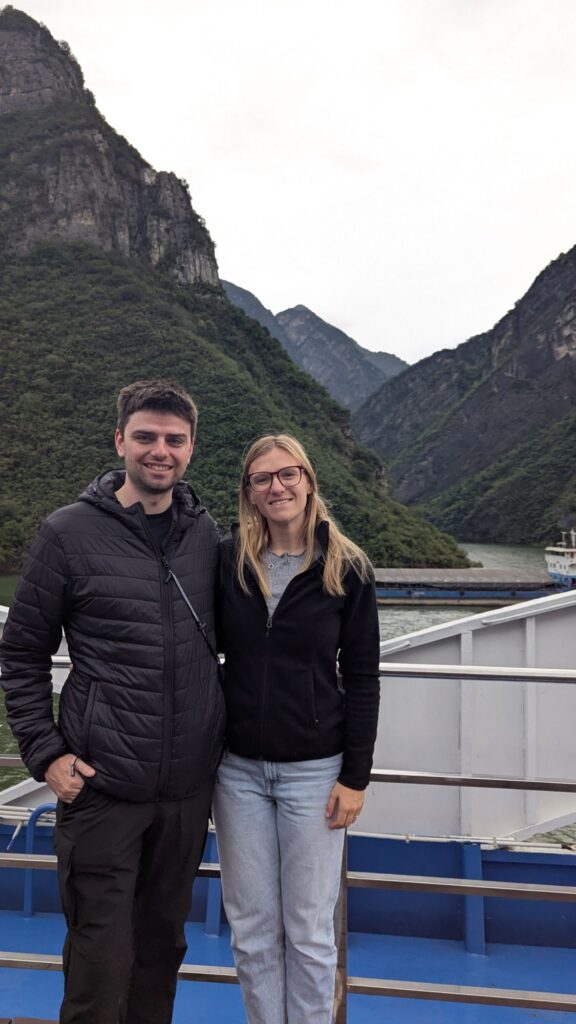
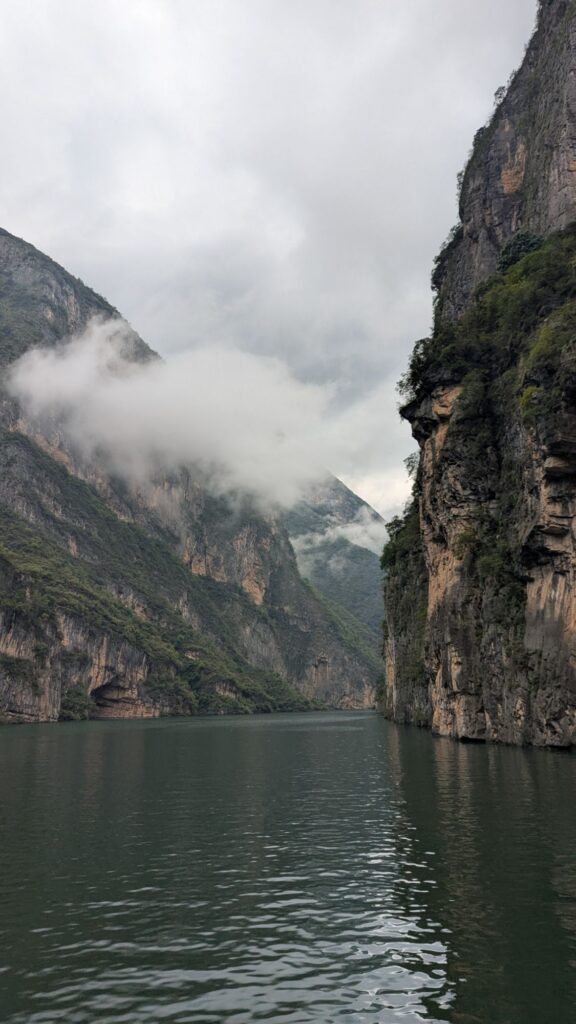
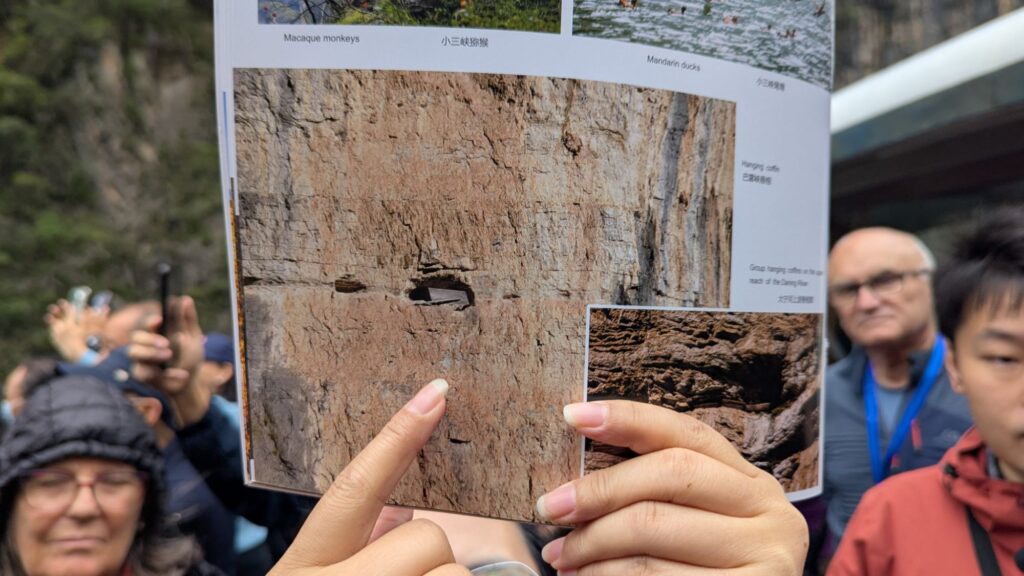
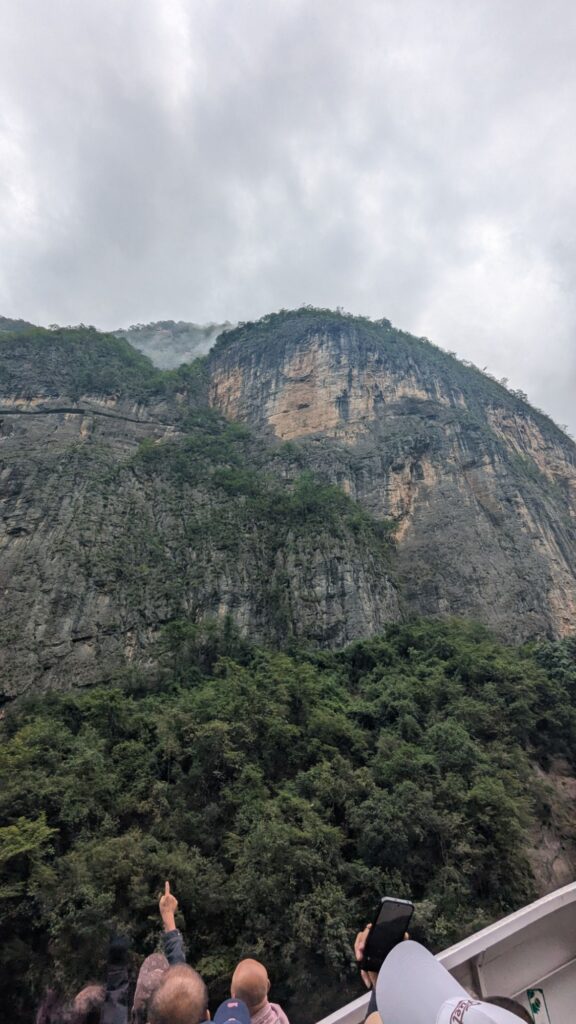
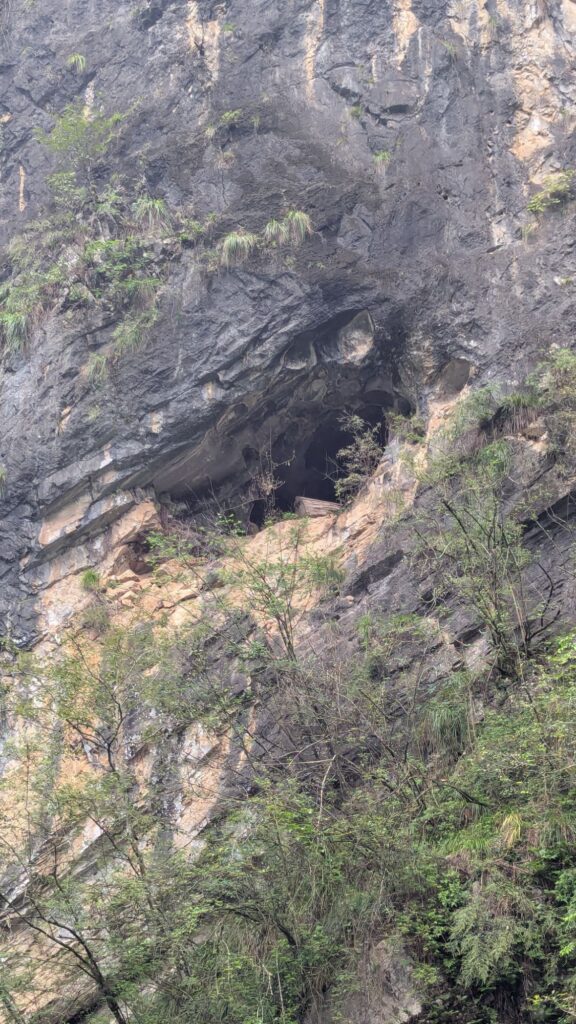
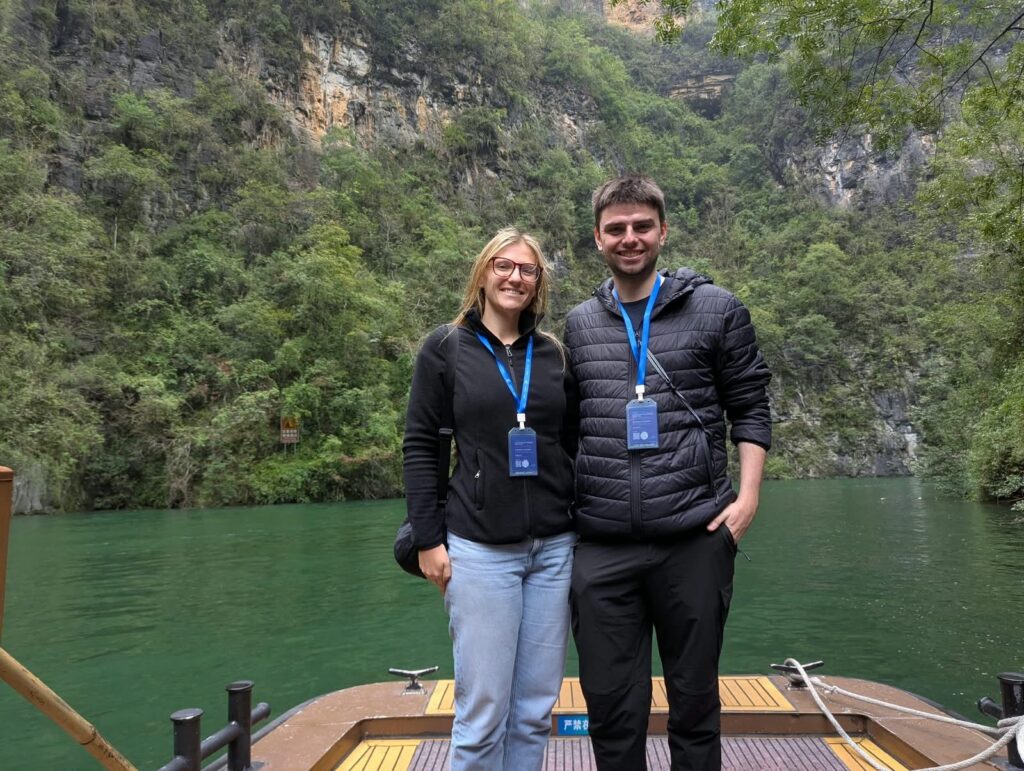
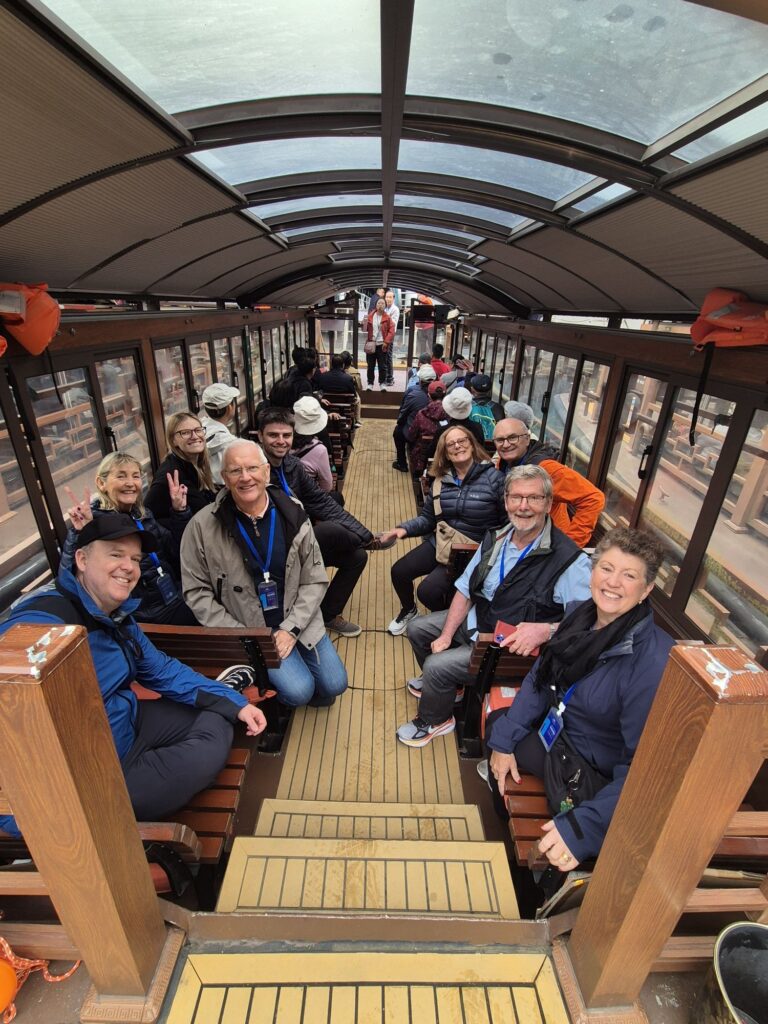
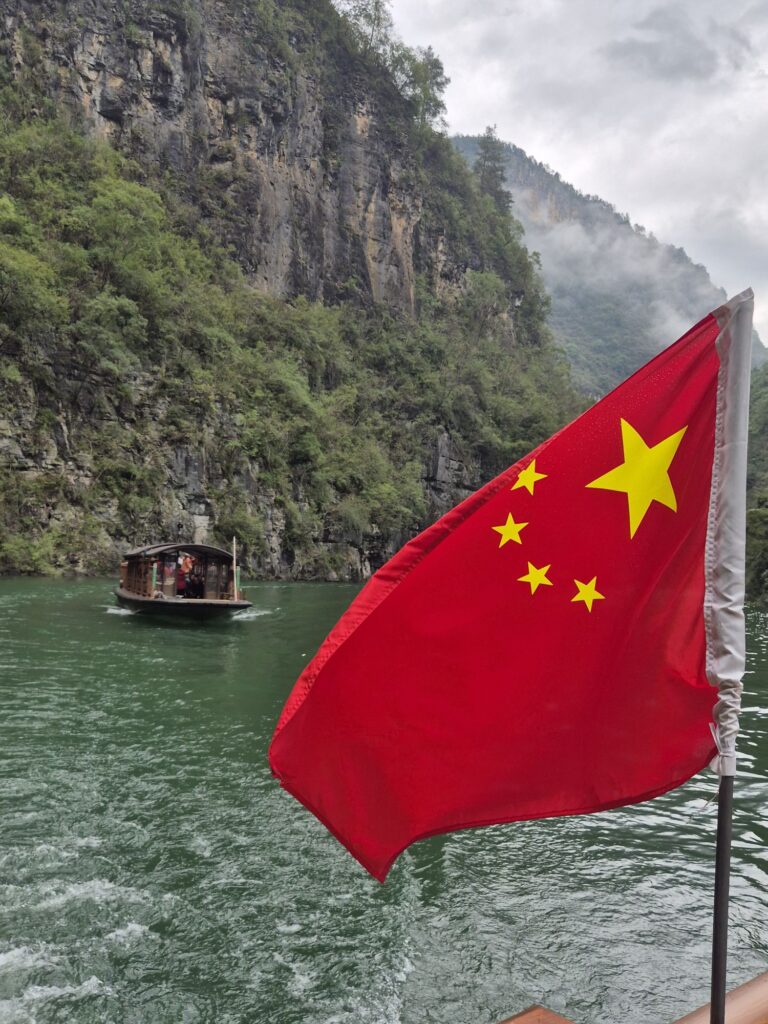
At 7:30 AM, we went downstairs for breakfast before setting off on our 8:15 AM tour of the Lesser Three Gorges. We transferred to smaller boats, and then to even smaller ones, to explore narrower sections of the river. With more hanging coffins dotted along the cliffs, it was a wonderfully relaxing morning watching the mountains glide past. On the way back, our boat captain sang us local songs from his hometown, a place now displaced by the dam project.
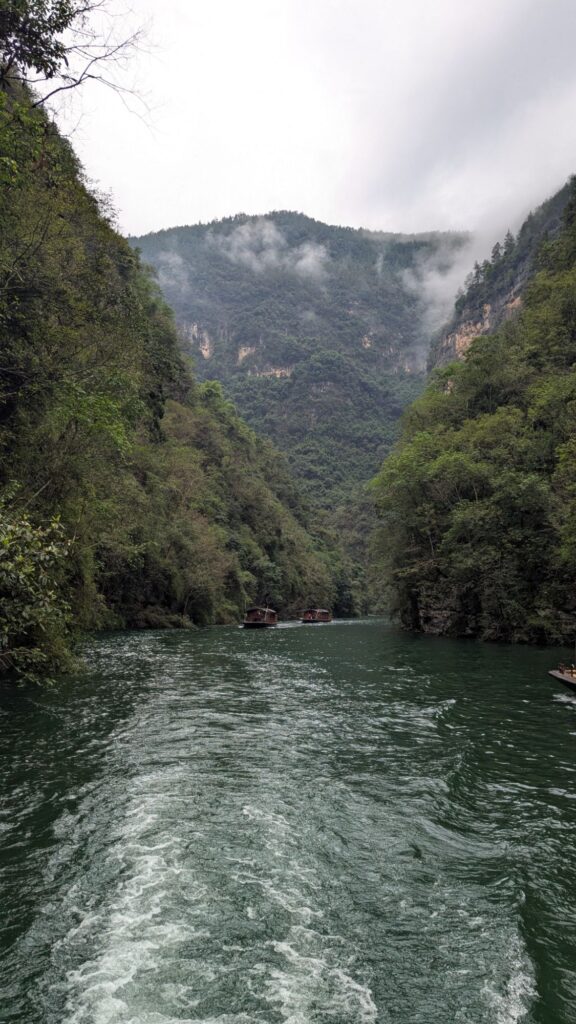
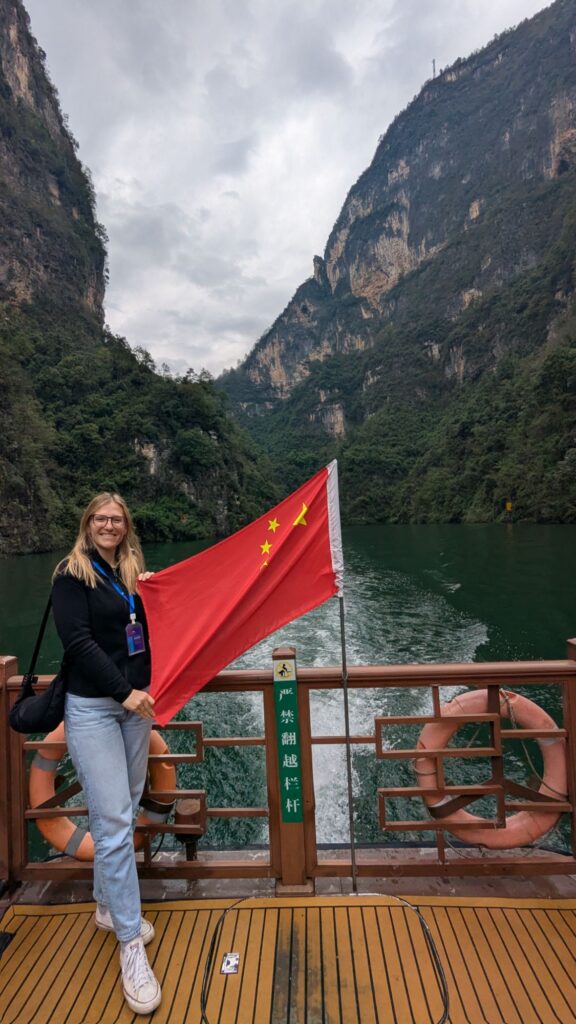
We enjoyed another buffet lunch before returning to the top deck to witness our sail through Qutang Gorge. While it looked amazing, it is unfortunately not quite as thrilling to write about, as it was mostly more of the same stunning scenery.
Afterward, we set off on an afternoon tour of White Emperor City. We were not entirely sure what to expect because the guides seemed actively trying to dissuade us from going. They explained that it usually only appeals to Chinese tourists, as it is a historical spot famous for inspiring classic poetry taught in Chinese schools. We decided to join anyway. If a location is beautiful enough to inspire generations of poets, it is surely worth an afternoon spent wandering around, especially when the alternative is sitting on a stationary boat.
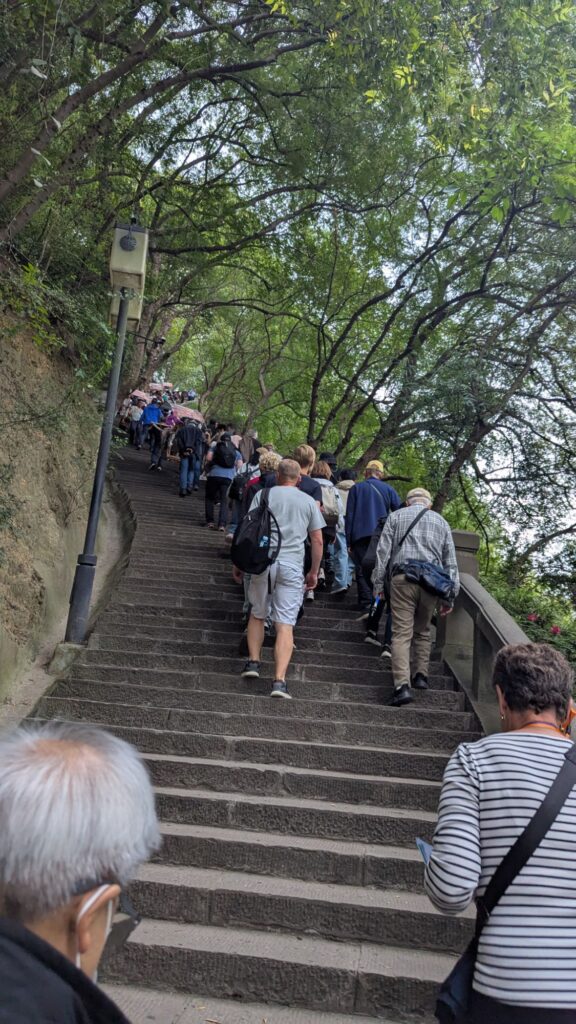
The guides then warned us that if we insisted on going, we should prepare for a pretty brutal climb up a lot of steps. Slightly apprehensive, we decided to brave it. A bus took us to a nearby coastal area, where we walked across a large bridge to an island. The site was originally a large hill, but the construction of the dam and the rising river level turned it into an island. The “White Emperor” refers to Gongsun Shu, a warlord who declared himself emperor after dreaming that a white dragon told him he would rule China. Sadly that dream never became a reality but the name lives on.
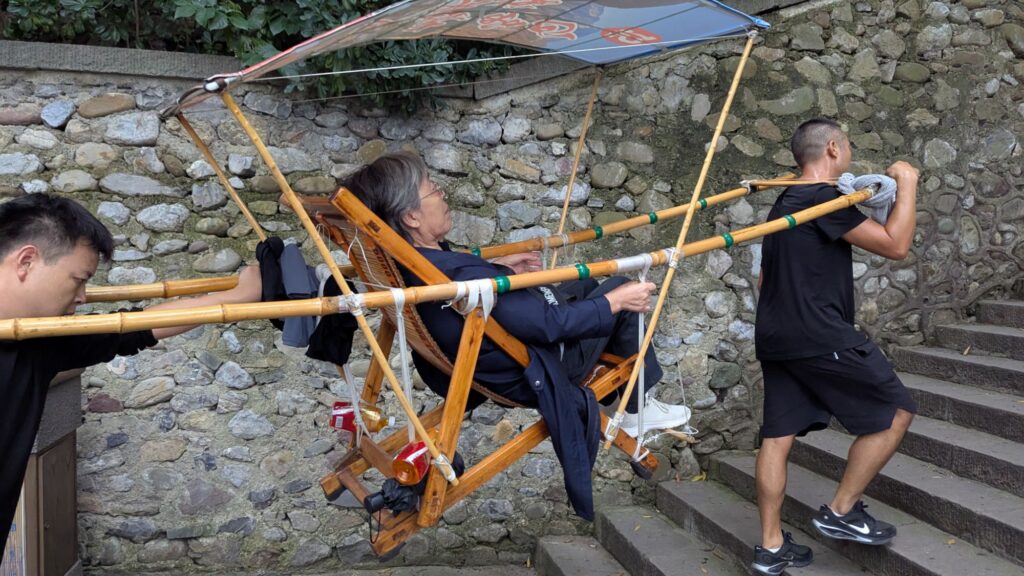
Once we reached the island, vendors were selling hiking poles everywhere, and a long queue had formed for people waiting to be carried to the top in sedan chairs by porters. We started to worry we had severely underestimated the trek, but the climb turned out to be entirely manageable. Although steep, the stairs were short-lived, and we reached the top in about ten minutes.
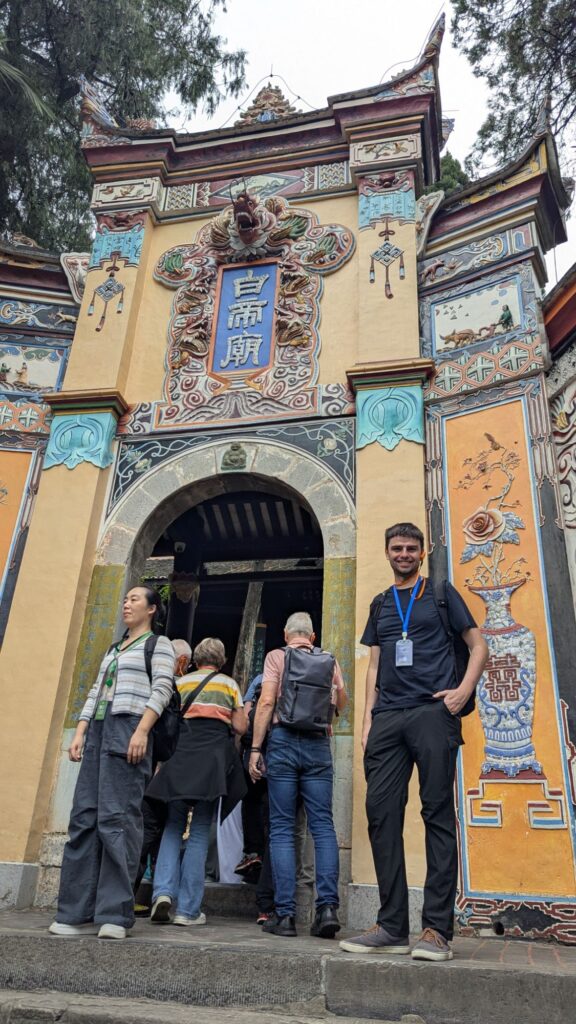
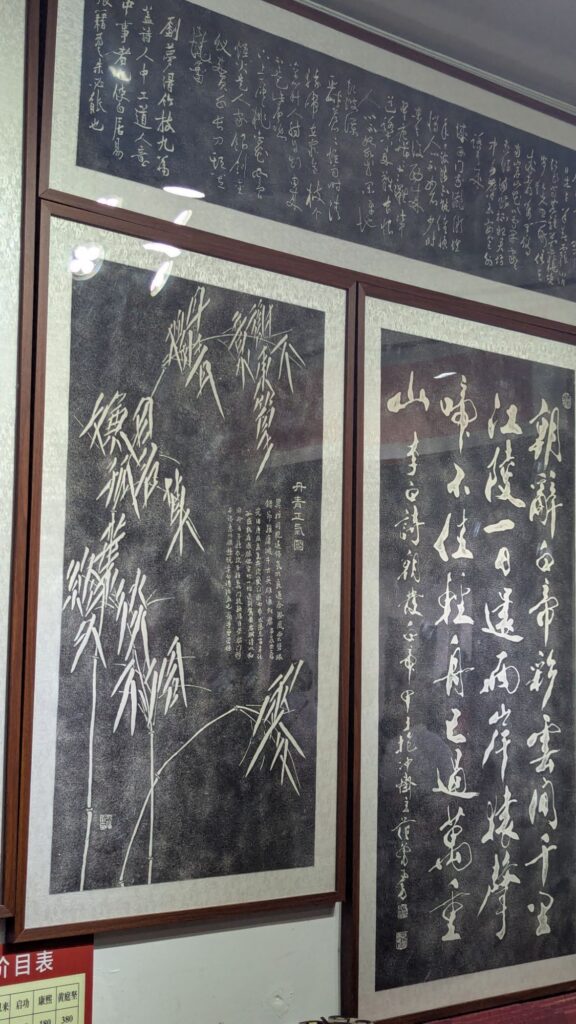
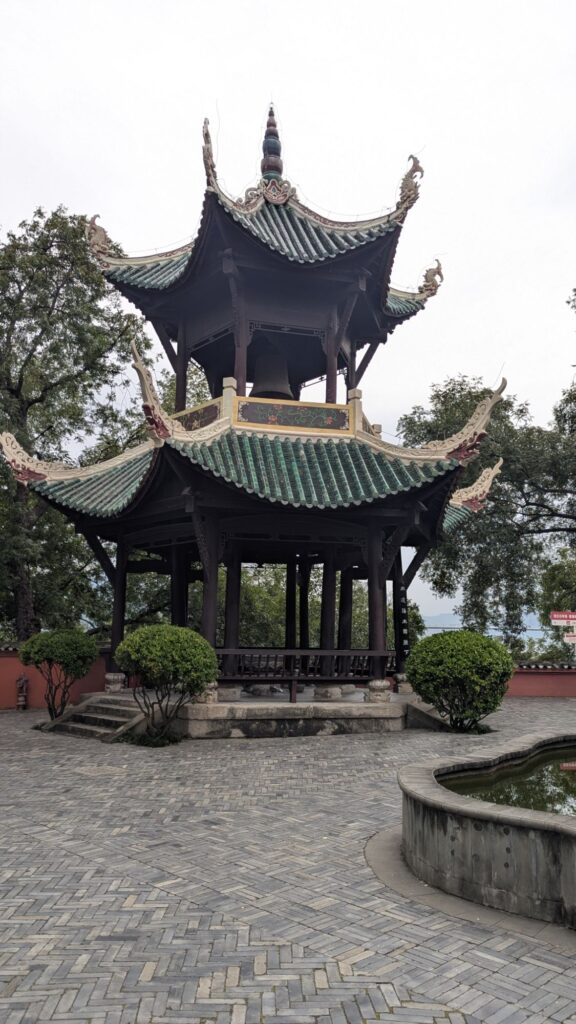
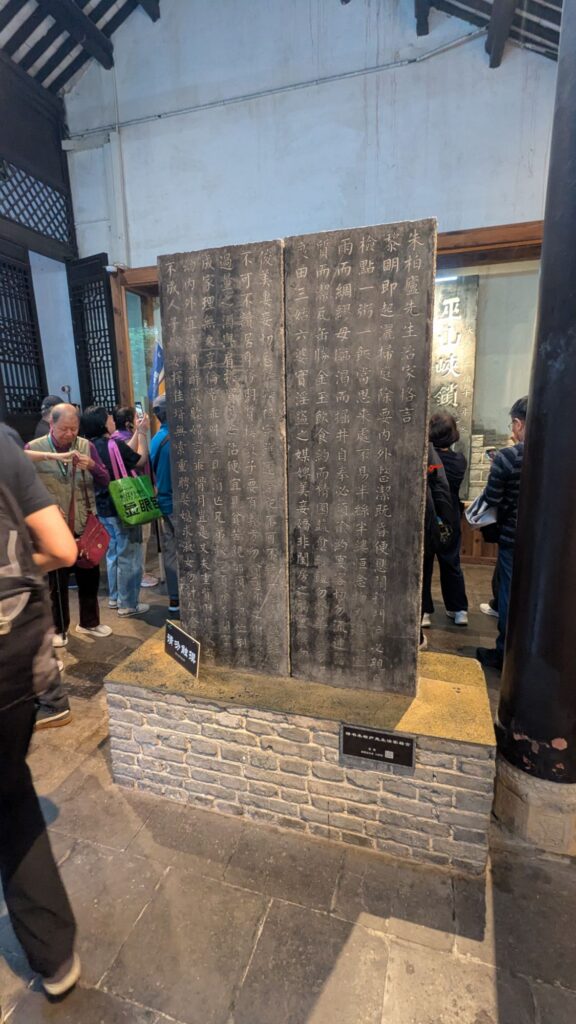
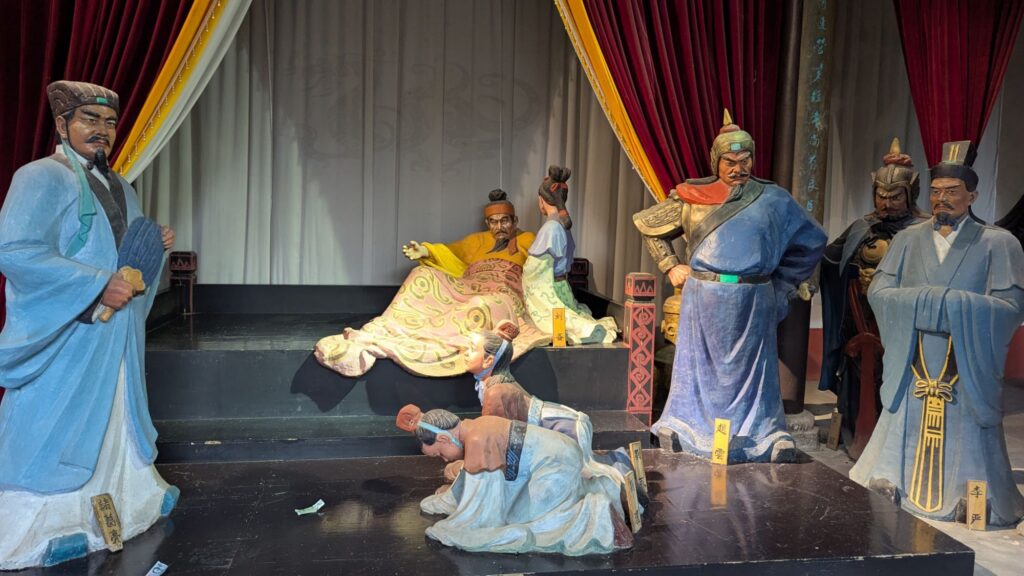
At the summit, we were rewarded with a striking yellow gate marking the entrance to the complex, yellow being the traditional color of Chinese emperors. Inside, various statues depicted historical scenes, though we lacked the context for most of them and sadly did not get much of an explanation even after asking questions. Many famous Chinese poets have visited over the centuries, leaving behind inspired works carved into stone tablets that were beautiful to admire, even if we could not read them.
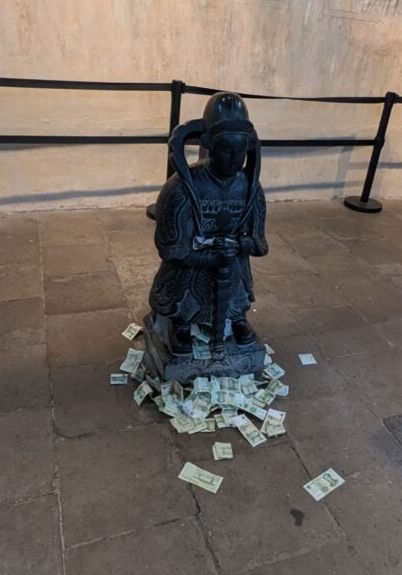
We also spotted a stone statue with a reputation. Legend has it that rubbing his head brings wealth and good luck, while rubbing his back cures back pain. Naturally, we gave both a try. The local tourists were leaving cash offerings afterward, but since we did not have cash and the statue did not seem to accept Alipay, we will just have to hope he grants our wishes anyway.
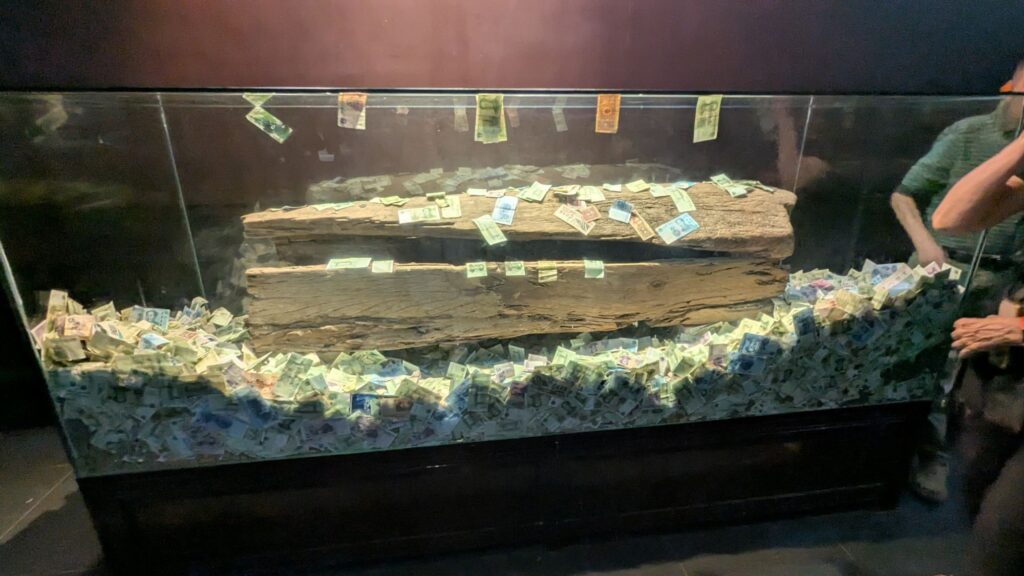
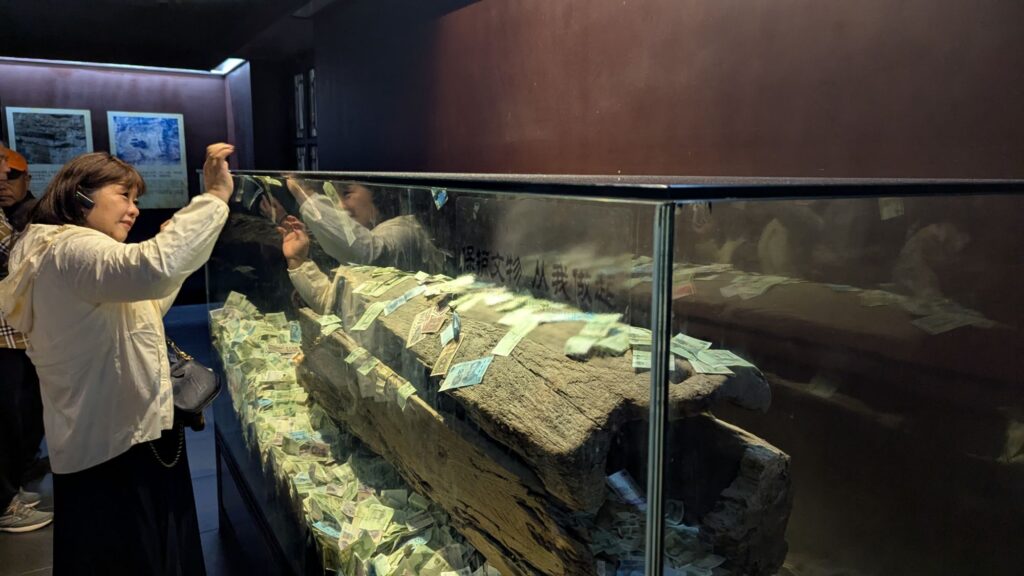
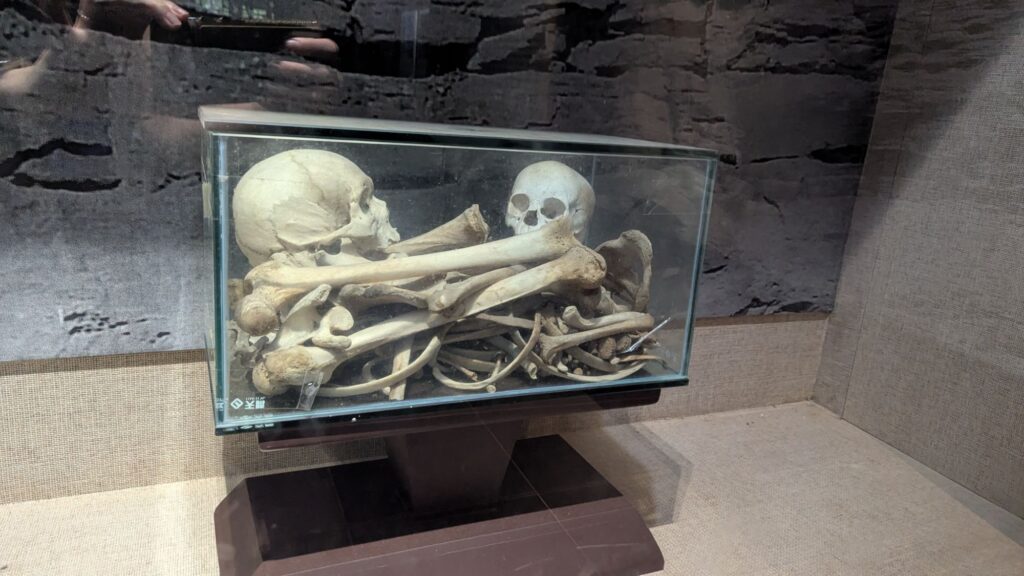
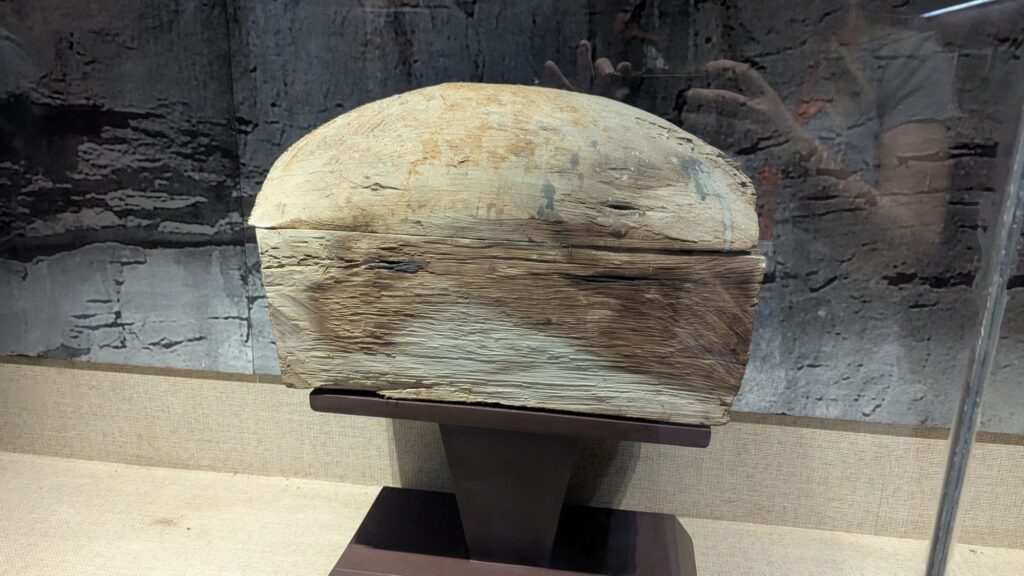
Next, we viewed a display of the 2,000-year-old hanging coffins up close. Some are full-sized, while others contain only bones, and it remains a mystery how they were placed so high up the cliffs. Chinese visitors were tucking money into the display because in Chinese culture, coffins symbolise good luck and prosperity. The Mandarin word for coffin sounds identical to a phrase meaning “to be promoted and get rich.” Since the coffin display also lacked an Alipay scanner, I am keeping my fingers crossed for good luck regardless.
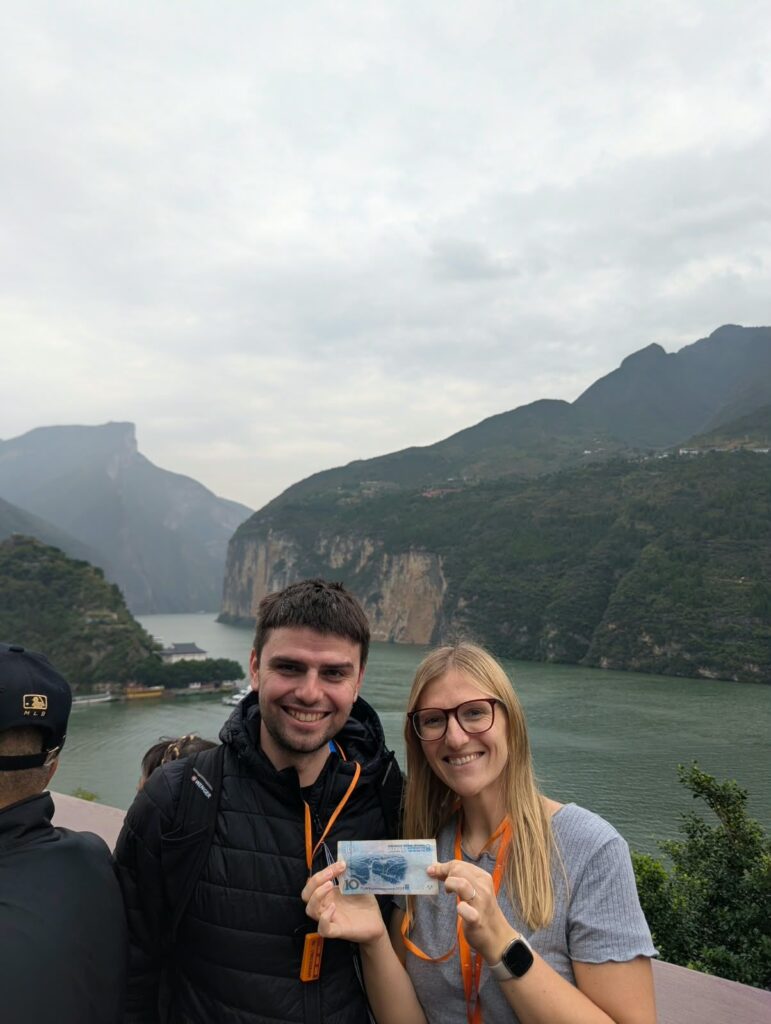
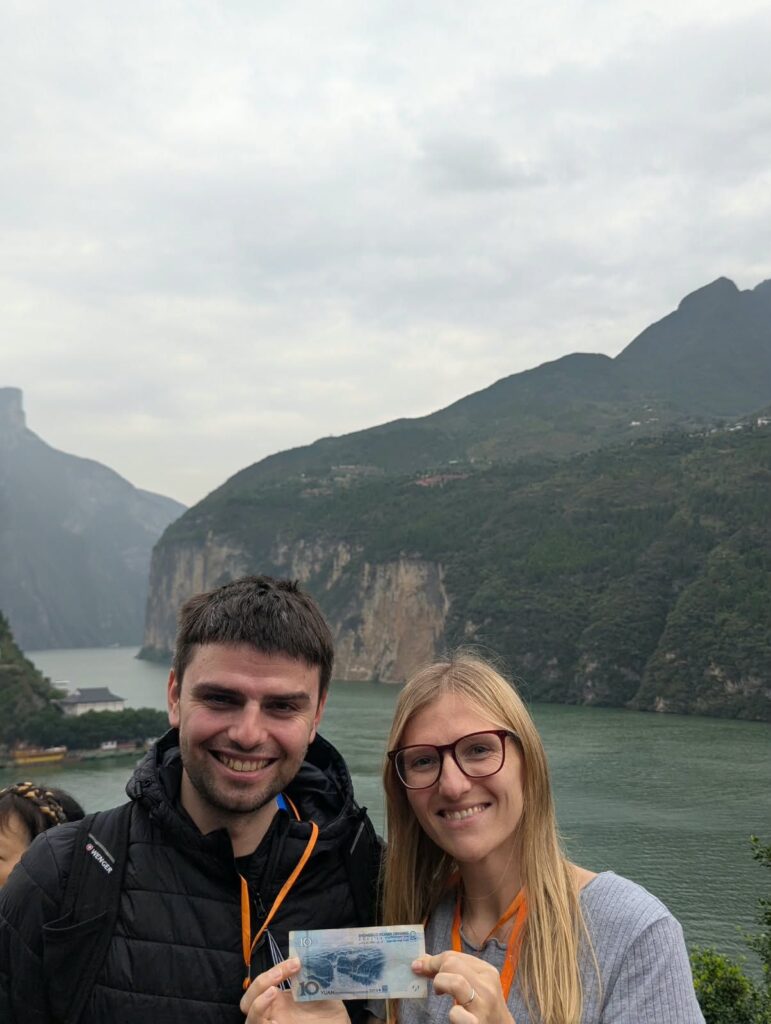
Our last stop was a balcony from where you could see a view of the gorge that is actually painted on the 10 yuan note, so obviously we stopped for a photo of two.
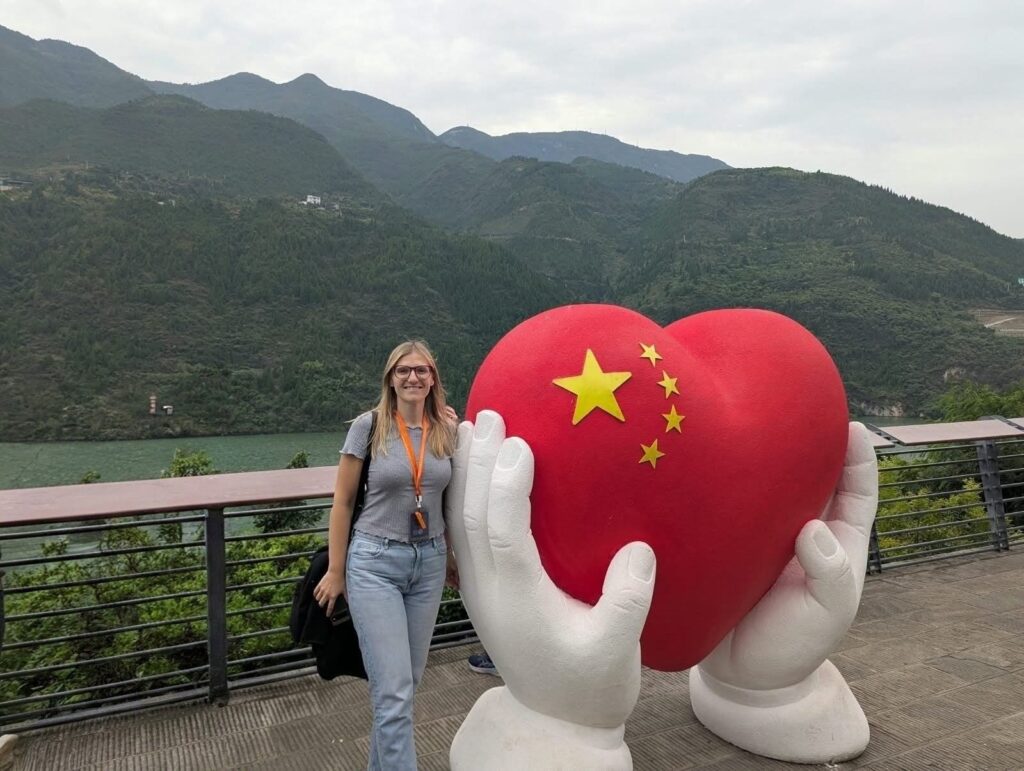
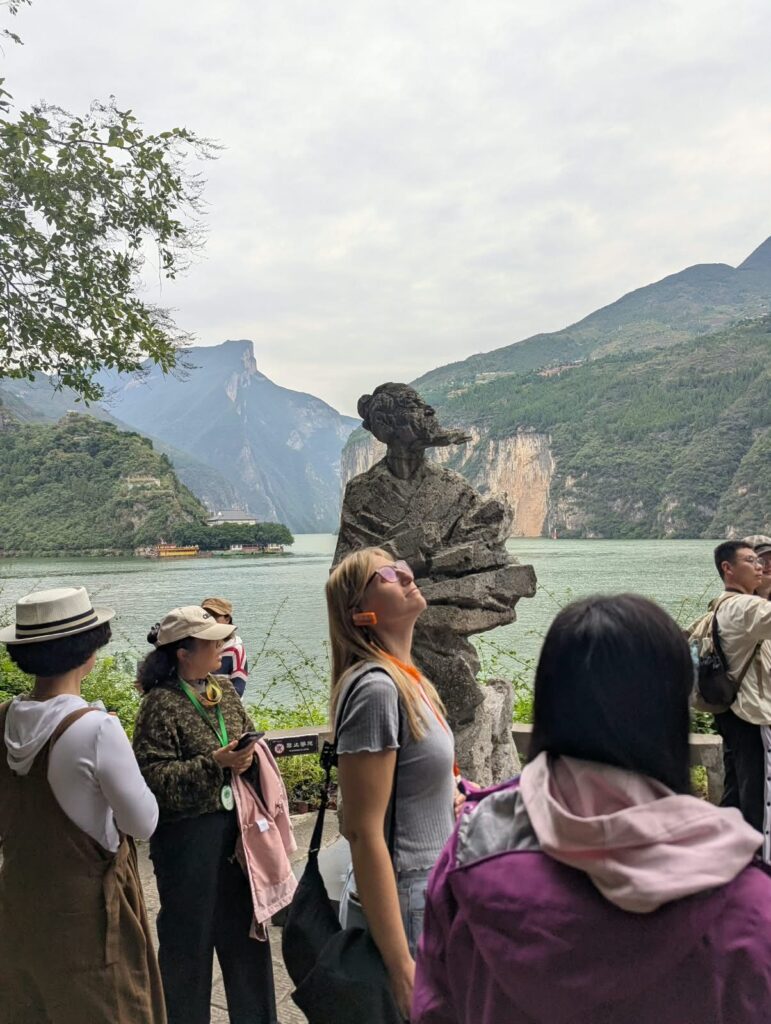
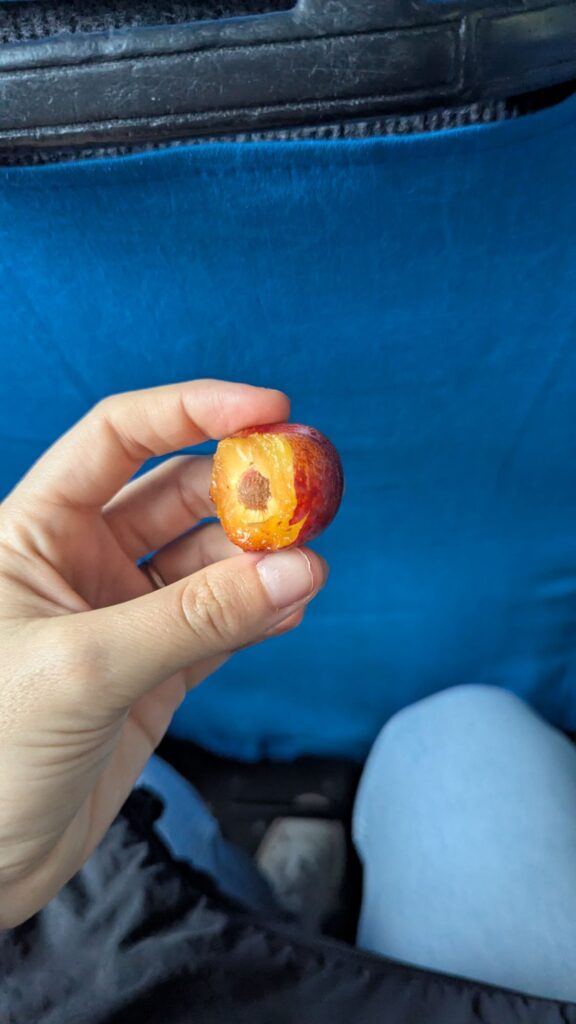
On the way back from the city, our guide bought us some small plums to try on the bus. They were incredibly sweet and juicy, serving as a lovely starter before dinner.
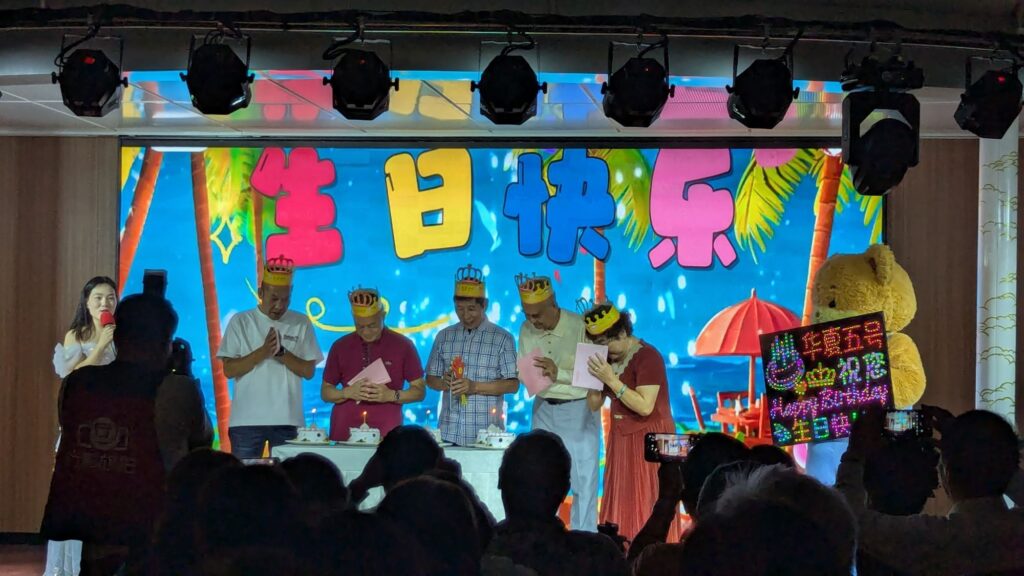
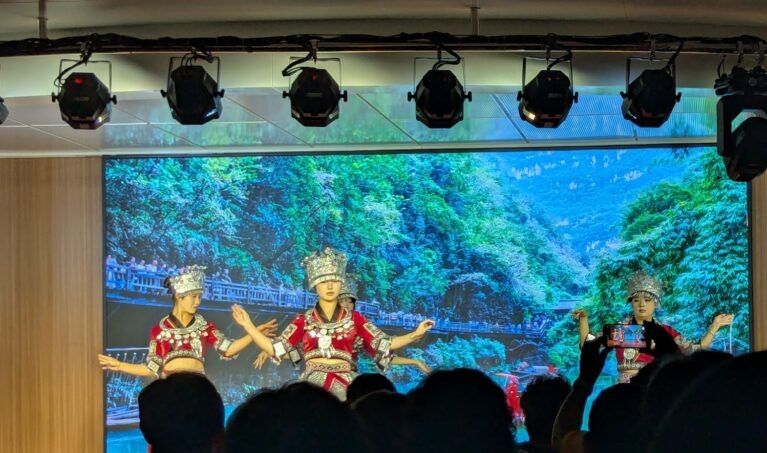
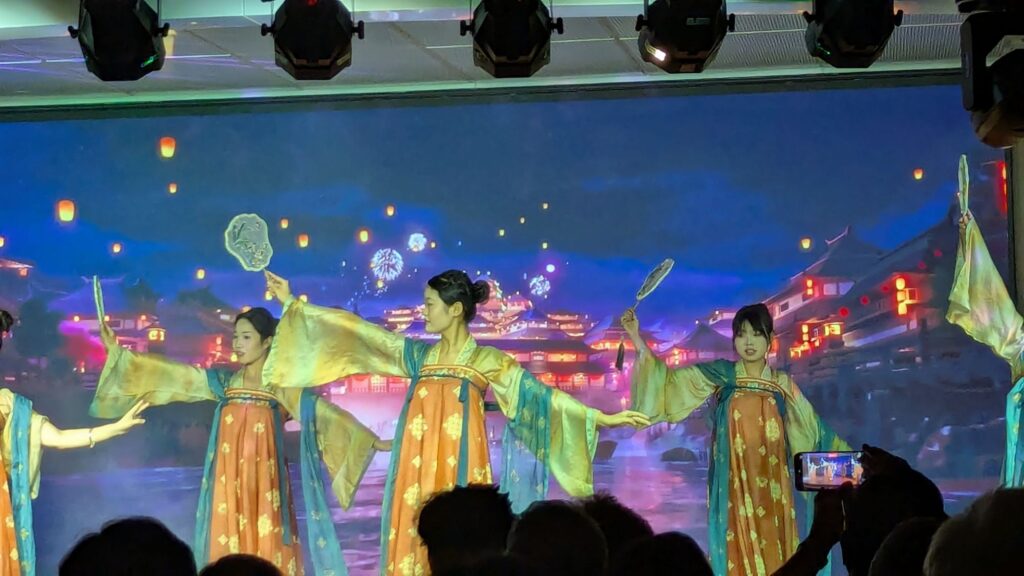
After dinner, we were treated to a performance by the ship’s staff. It felt a bit mean to make them put on a show after a hard day’s work, especially after learning their schedule consists of six straight weeks of work followed by just one week off. The show was fun, if a little odd. It mostly consisted of dances by staff members who had clearly zoned out and were simply going through the motions.
There was also a segment where all guests celebrating birthdays were called on stage, asked to give a speech, and blew out birthday candles together. Shortly after, an audience member volunteered to sing Beijing opera. To be fair, he could definitely sing and certainly had a serious set of lungs on him. However, opera is an acquired taste at the best of times, and Chinese opera involves a lot of high-pitched screechy instruments and vocal stylings. Blasted at ear-numbingly loud volumes, it was safe to say it was not a crowd-pleaser among the Western guests.
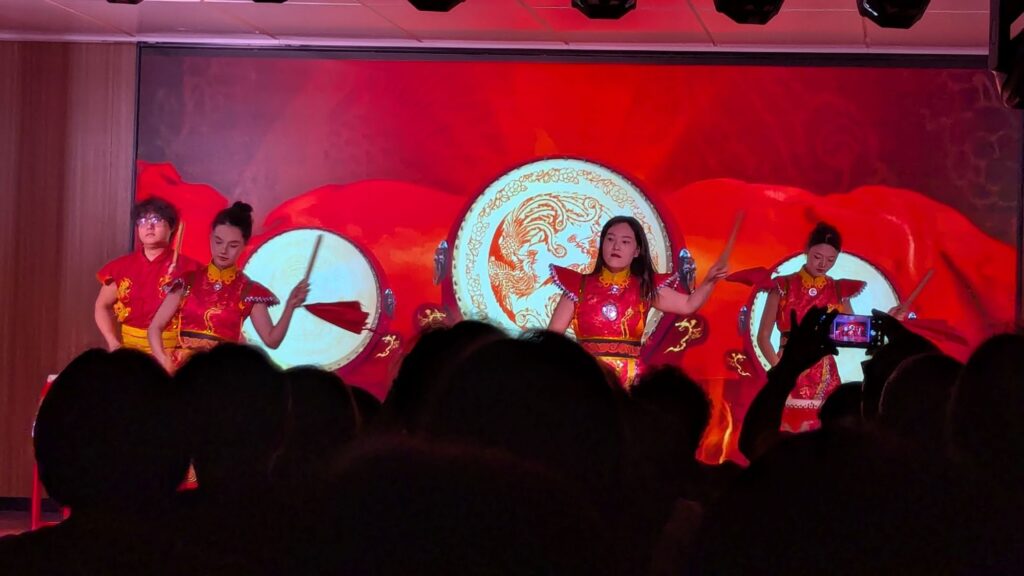
After the grand finale, it was straight off to bed. Another early start awaits us tomorrow. I will tell you all about it soon.
Love,
Alice x