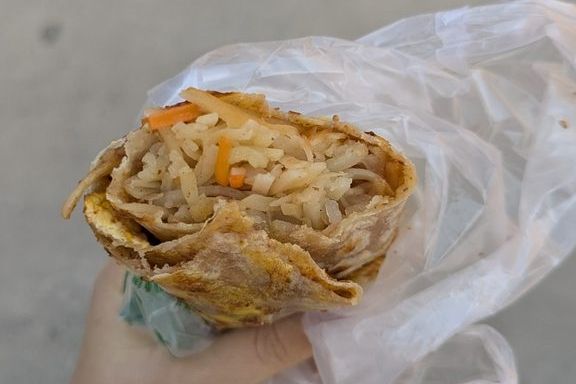
On our first real day of the tour, we were up bright and early at 6:30 AM. We needed to leave the hotel by 7:30, so after getting dressed, we headed out on a mission for a quick breakfast. We bought… well, actually, I’m not entirely sure what we bought, but it was warm, filling, and did the job. It was a bit like a thin pancake or crepe, filled with shredded potato, egg, and carrot.
By 7:00 AM, we were walking toward the metro. It was far quieter and cleaner than I expected, though I made the rookie mistake of mentioning how quiet it was out loud. I quickly learned that was only because we were still in the tourist part of town; shortly after, the crowds arrived. Still, it was a very convenient way to reach Tiananmen Square. We joined the queue, scanned our passports, went through a thorough pat-down and search, and then we were in and free to explore.
The square itself is massive, around 440,000 square meters, with enough space to hold a million people standing side by side. It was also still decorated from Golden Week with some gigantic flower displays. The “Tiananmen” in Tiananmen Square refers to the famous gate with Chairman Mao’s portrait hanging above it, which translates to the Gate of Heavenly Peace. Apparently, the portrait is cleaned once a week and replaced regularly to keep its colors bright.
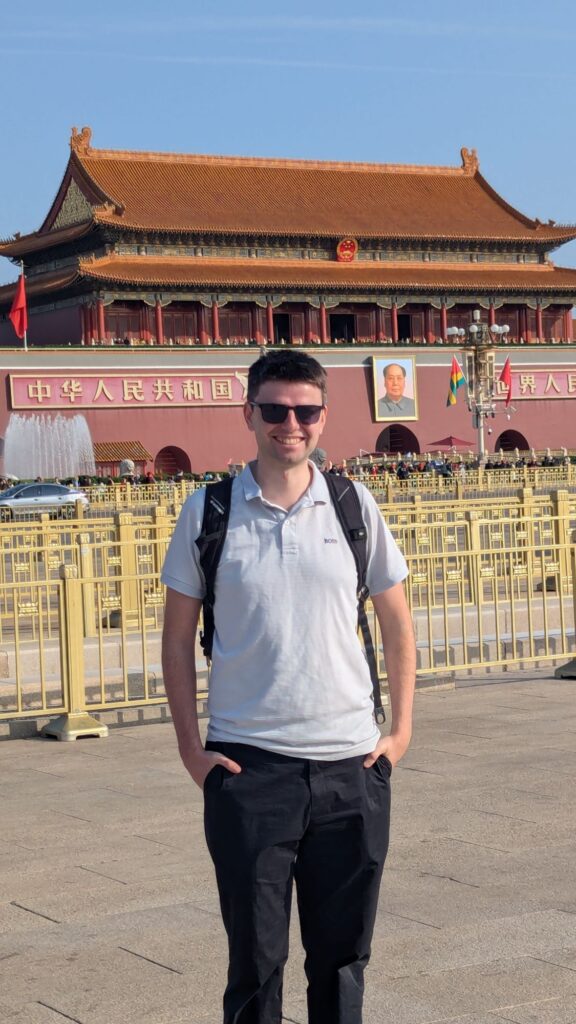
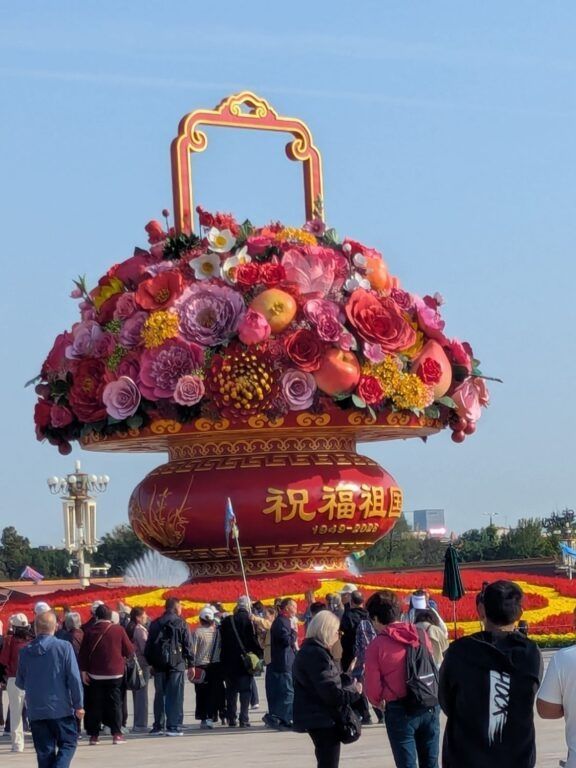
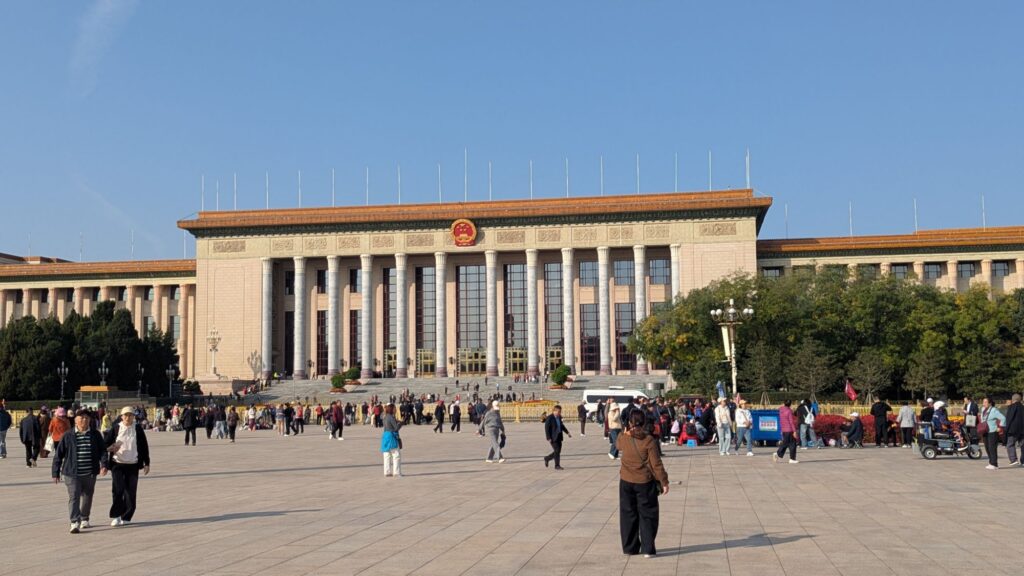
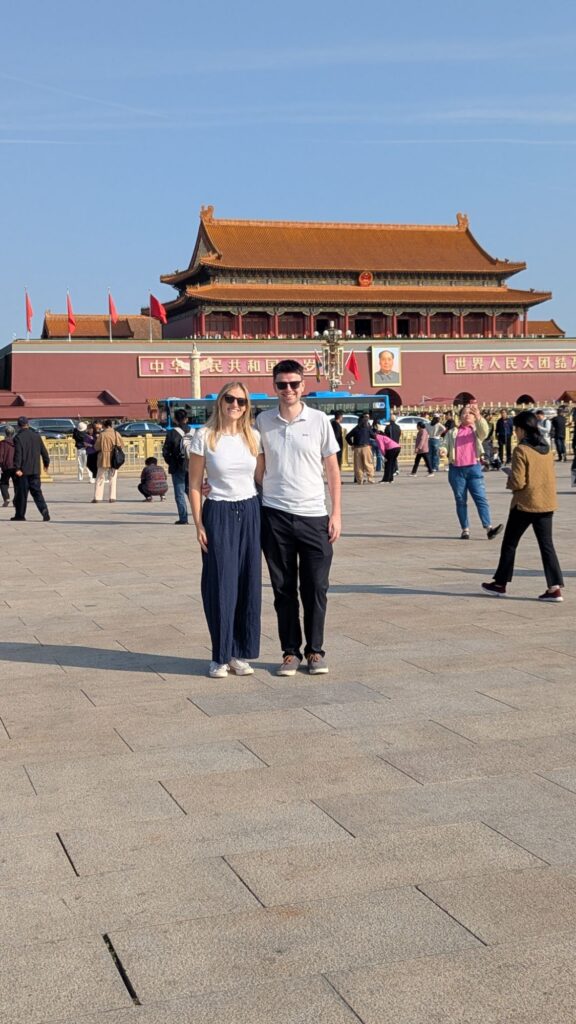
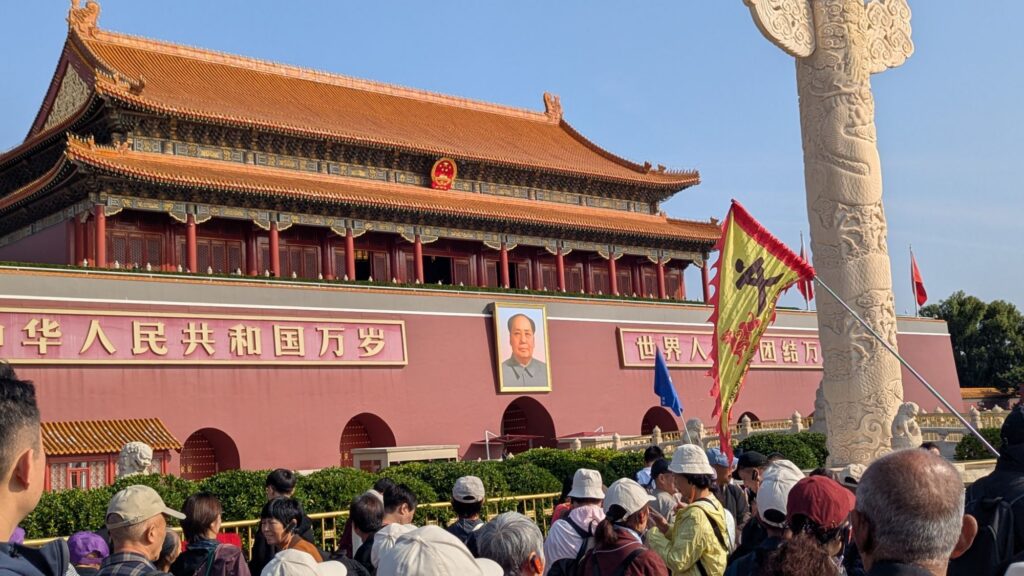
We took plenty of photos and even ended up in an impromptu photoshoot with a very insistent local lady. Adam found this hilarious while I was being posed, right up until she dragged him into the photos too.
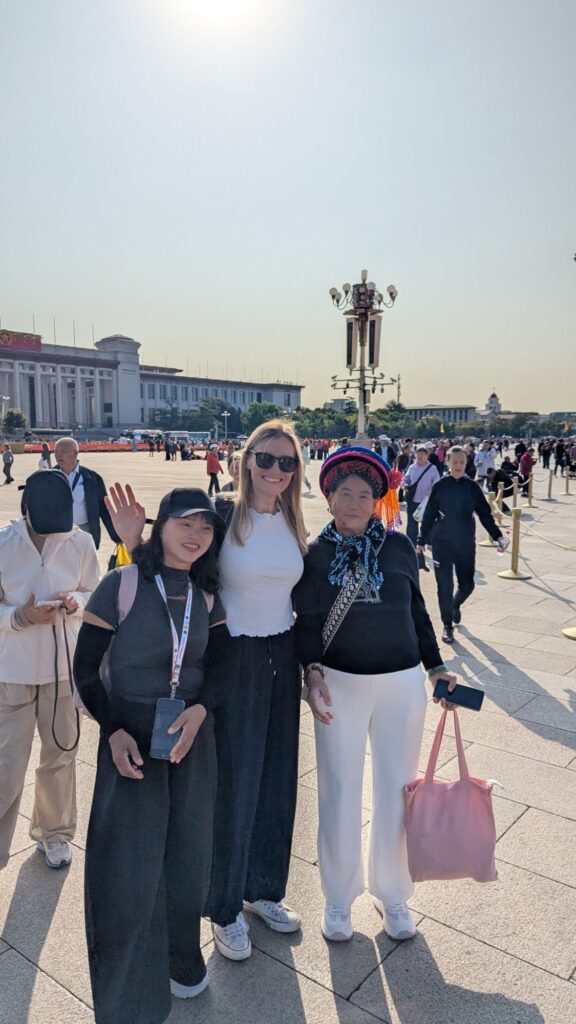
The square is surrounded by major administrative buildings, as well as the Monument to the People’s Heroes, the Great Hall of the People, the National Museum of China, and the Chairman Mao Memorial Hall. We didn’t go inside any of them since they are hugely popular with domestic tourists, especially the Memorial Hall, which holds Mao’s embalmed body. You have to buy tickets weeks in advance and still queue for hours to get in. I kid you not, there were thousands of people waiting; Google tells me it gets around 32,000 visitors a day, or 11 million a year. We were more than happy to just take in the sights from the outside.
After exploring Tiananmen Square, we made our way into the Forbidden City. As the world’s largest preserved imperial palace complex, it served as the political and ceremonial heart of China for 24 Ming and Qing dynasty emperors between 1420 and 1924. Walking through the massive grounds and learning about the everyday lives of the emperors, concubines, and eunuchs who called it home was fascinating. The story of the emperor’s final days was particularly interesting. When the dynasty fell, the emperor was reportedly given just 24 hours to pack up and get out before fleeing to Japan. Meanwhile, the palace eunuchs made a hasty exit of their own, leaving behind a curious collection of jars filled with their… most prized possession, carefully pickled in rice wine.
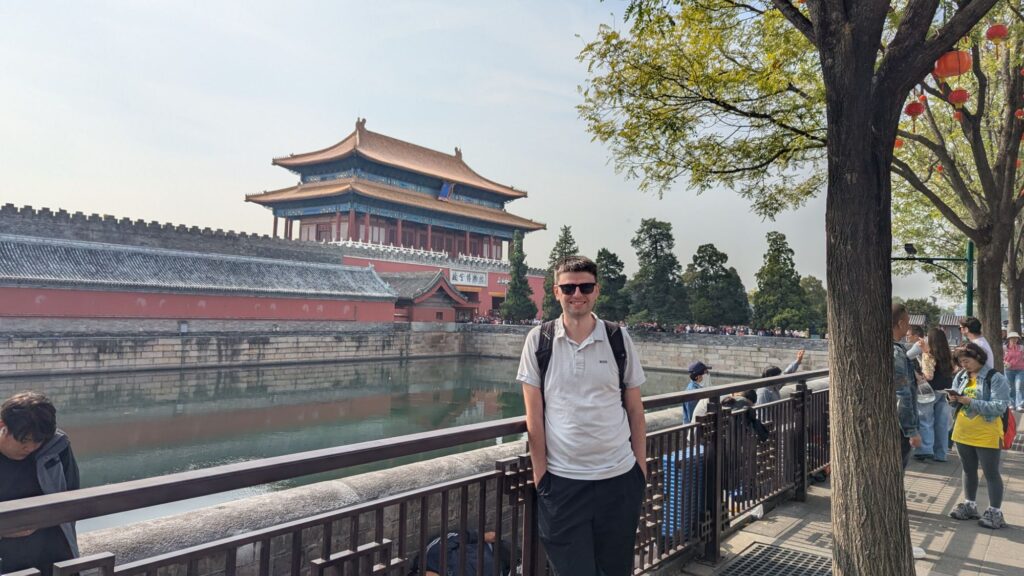
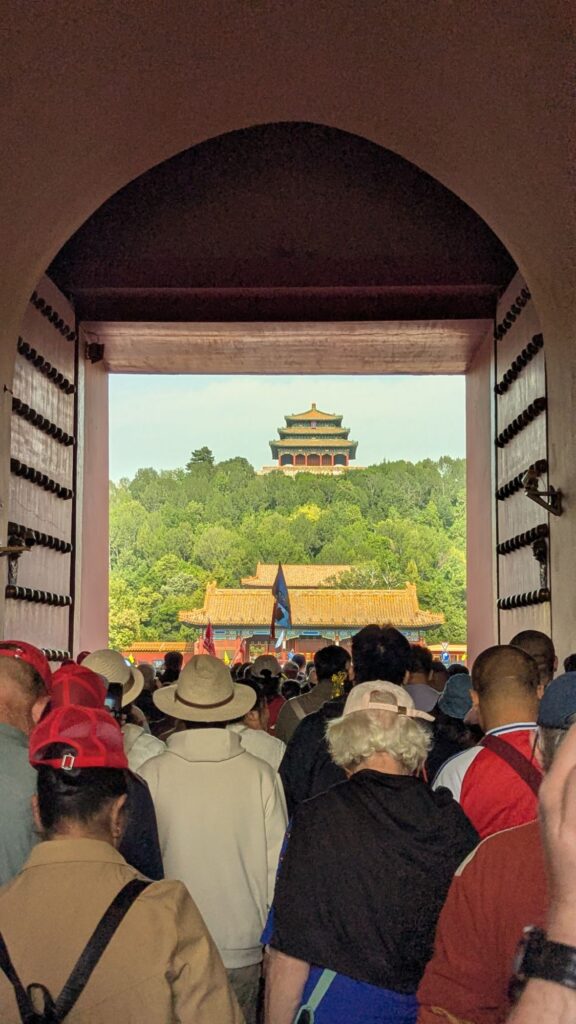
The emperor himself, just a teenager at the time, fled to Japan before attempting to reclaim his throne. His bid for power ultimately failed, leading to his capture and return to China, where he underwent reeducation and was eventually assigned to work as a gardener. Years later, he finally returned to the Forbidden City, though this time he had to stand in line and buy a ticket like everyone else. Talk about a change in circumstances.
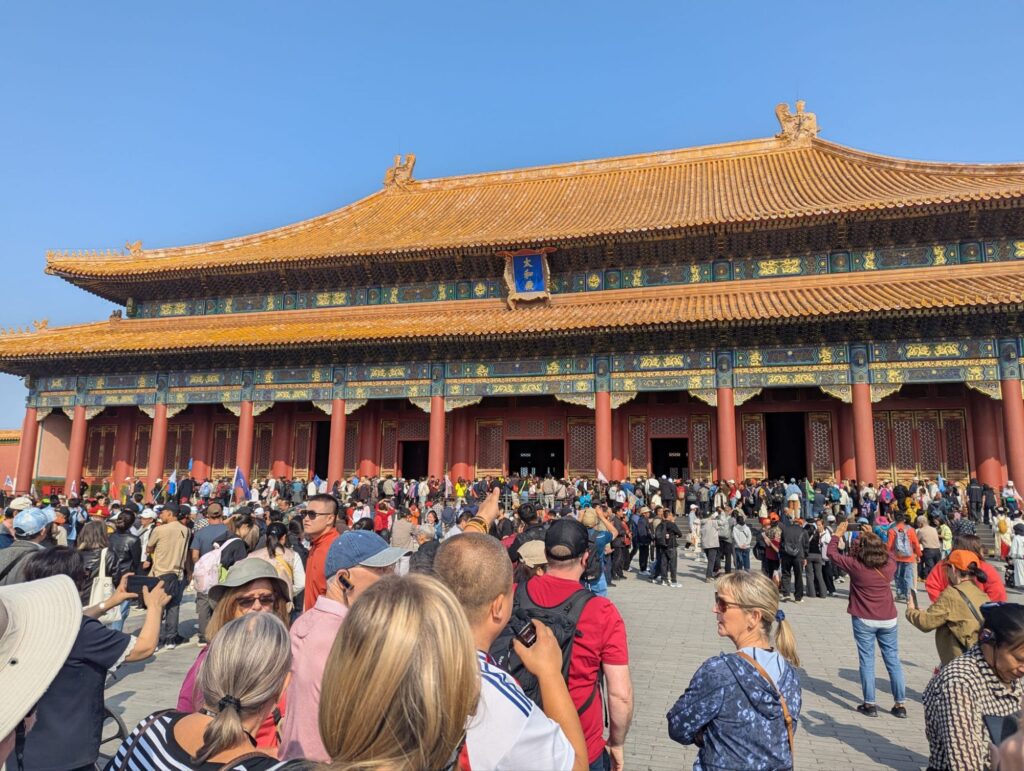
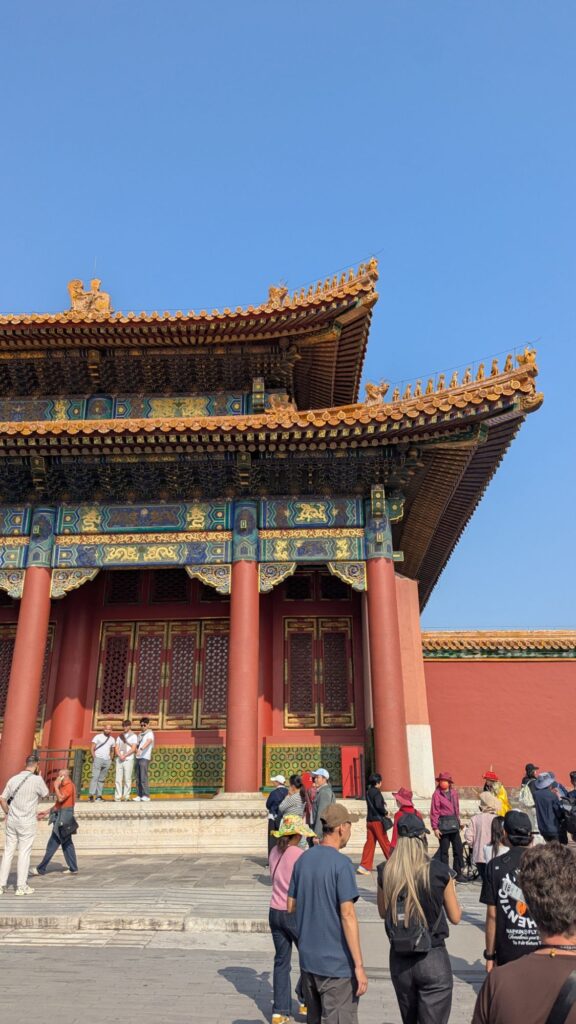
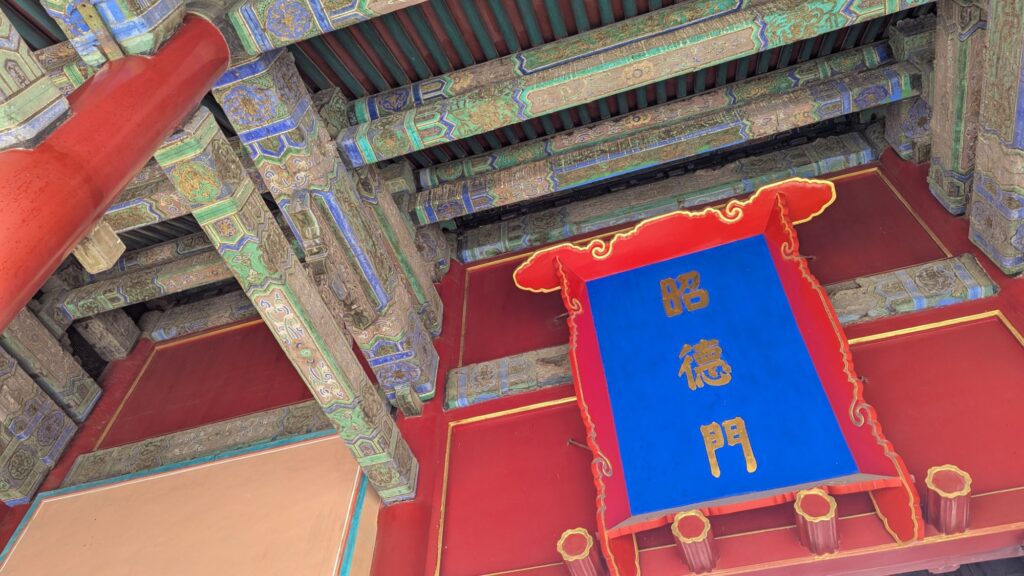
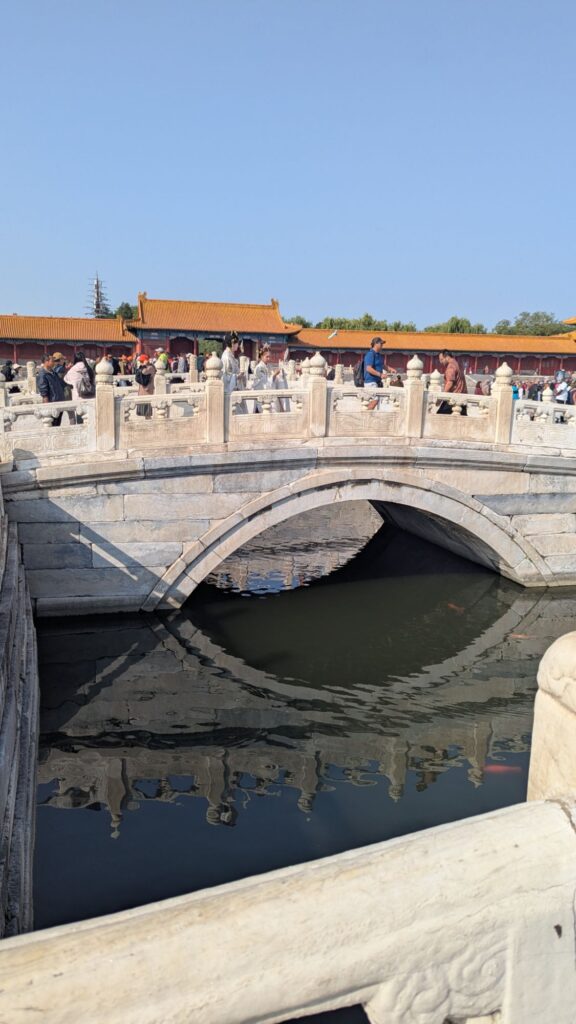
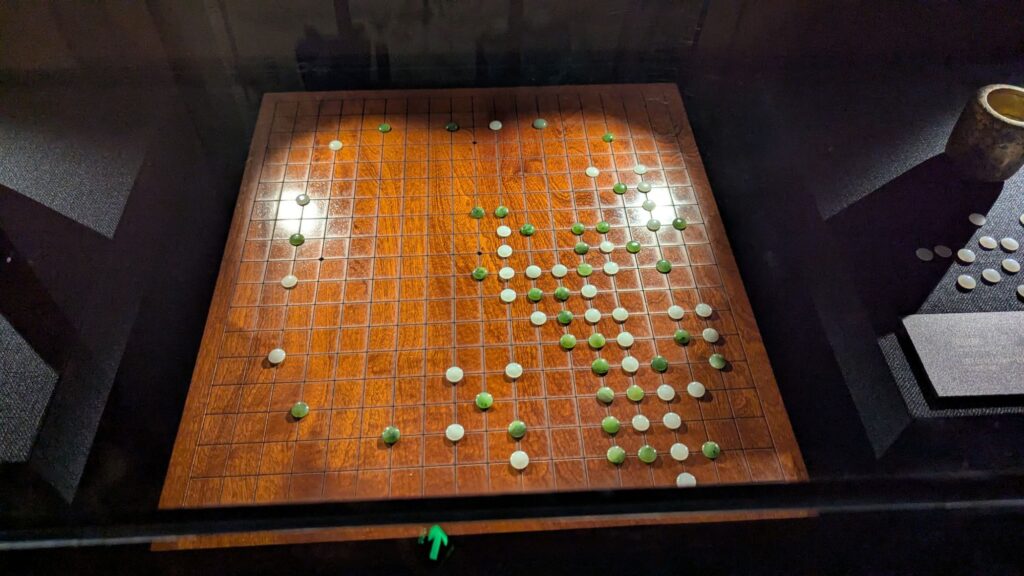
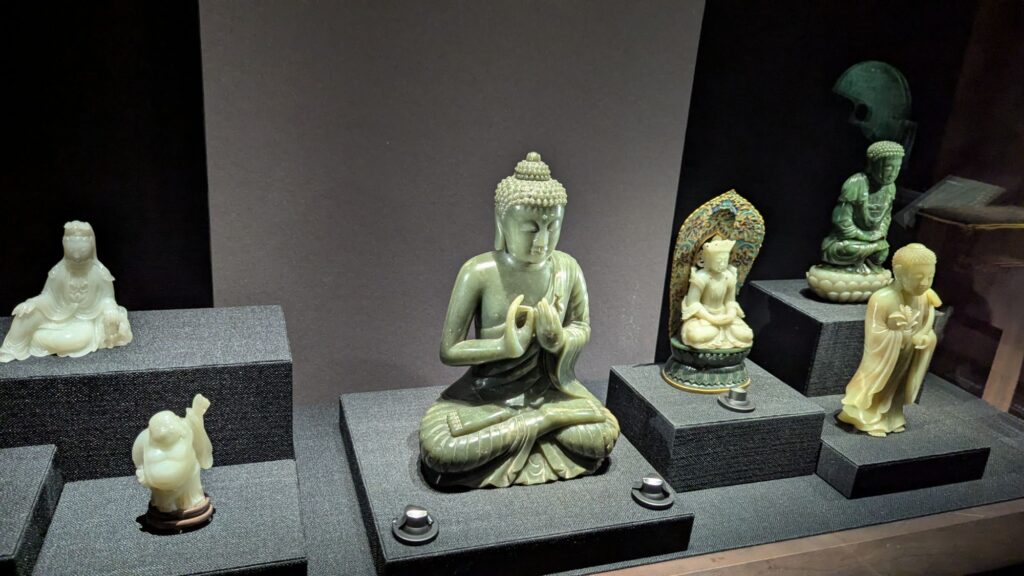
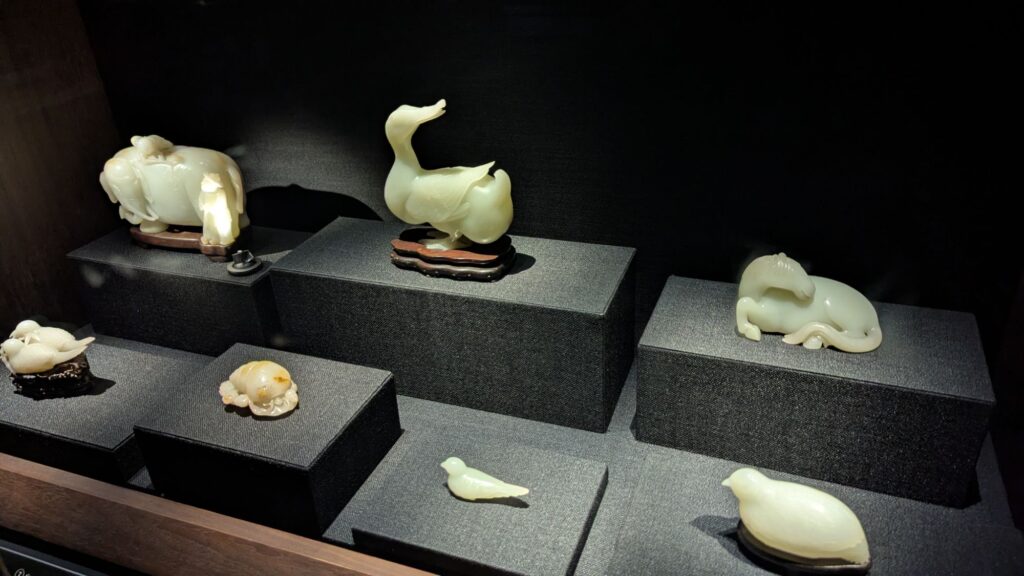
The palace is another massive complex, boasting 9,999 and a half rooms. The half room was an intentional choice so as not to upstage the Jade God, whose legendary celestial palace was said to have 10,000 rooms. To avoid potential assassins, the emperor slept in a different room every single night, meaning he could go over 27 years without ever sleeping in the same bed twice! Today, about 30% of the complex is open to visitors, with rooms displaying various historical artifacts, including some seriously impressive jade carvings.
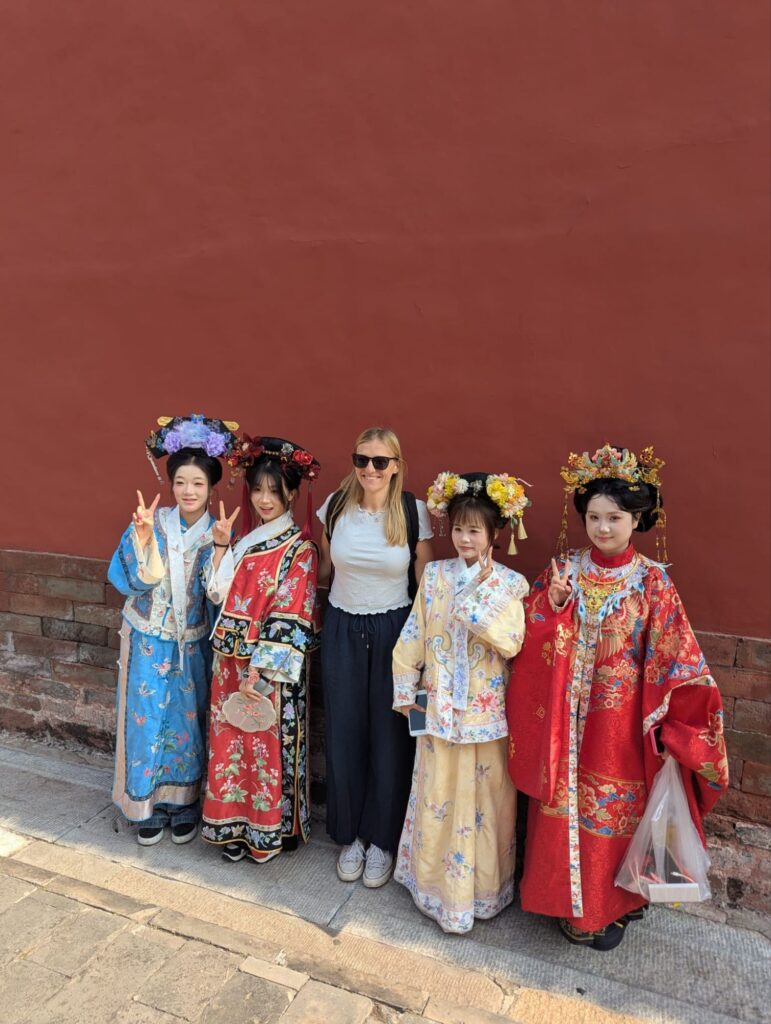
Again we ended up in a photoshoot, this time with some girls in traditional clothing.
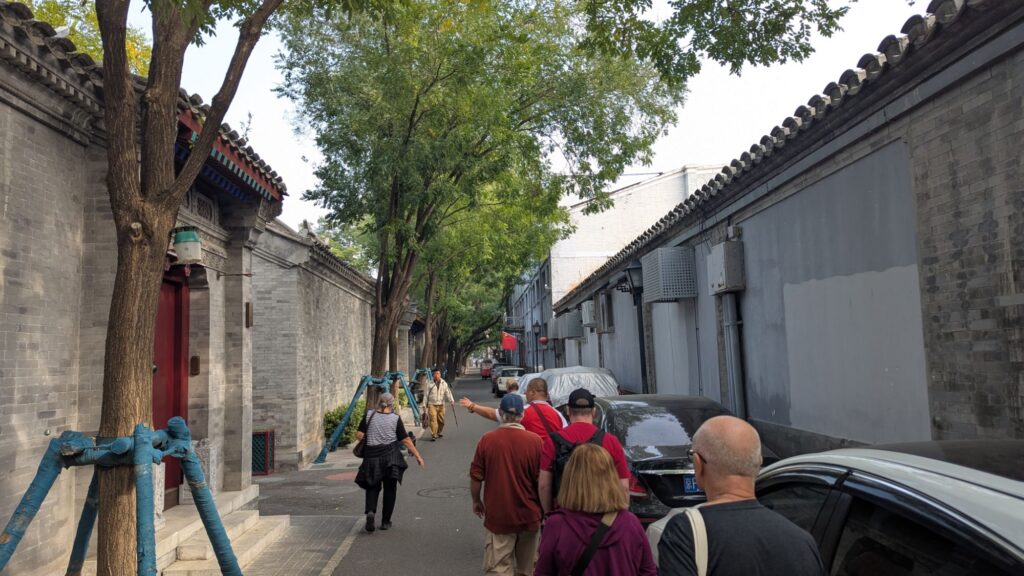
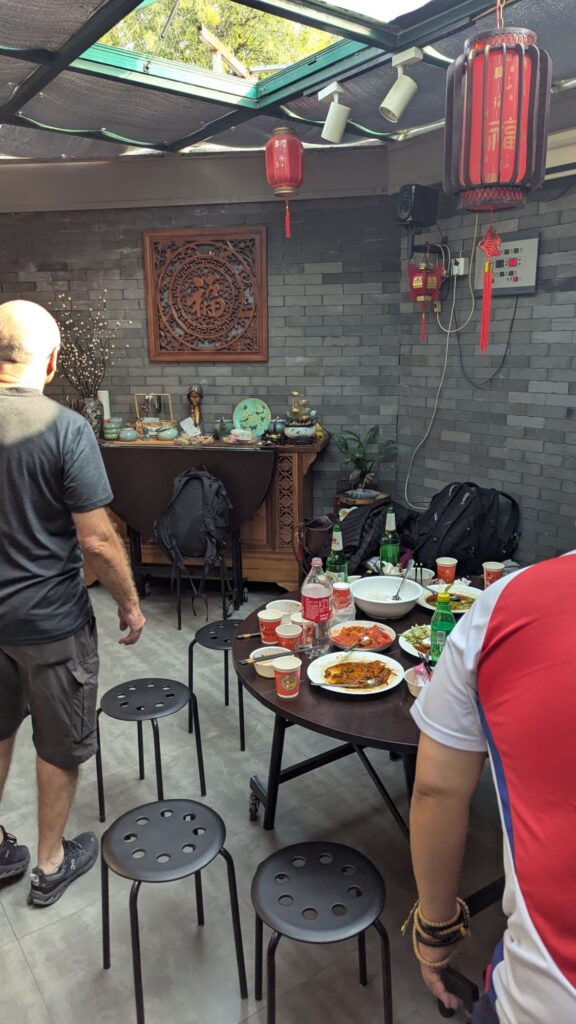
After the Forbidden City, we had worked up a proper appetite, so we decided to opt in for an optional home-cooked meal in one of the local Hutong dwellings. This meant squishing onto some very packed local buses, with Adam nearly getting squeezed to death between a bus door and a ticket machine.
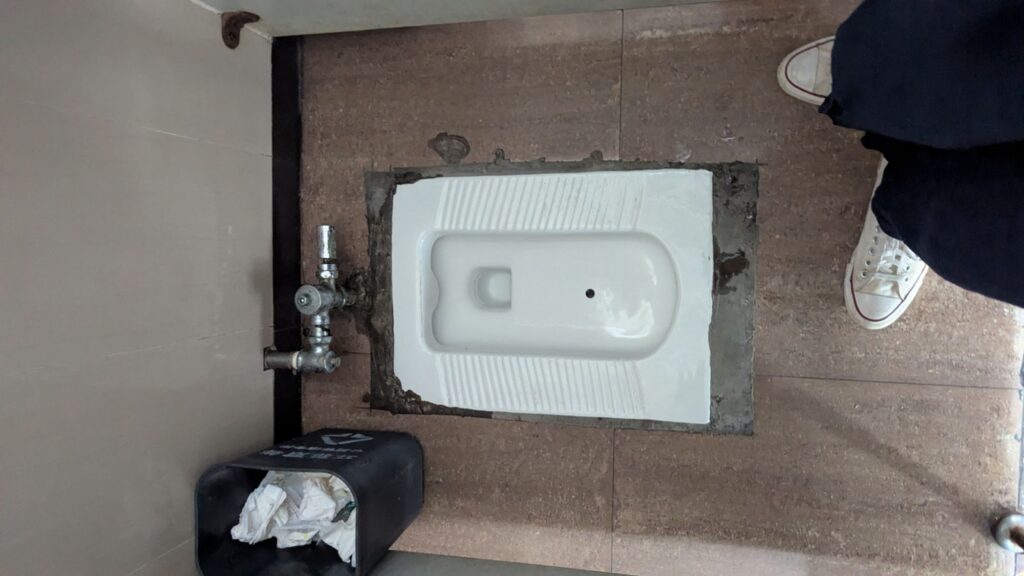
The Hutong area was entirely different from the modern parts of the rest of the city. Hutongs are traditional narrow streets made up of lots of siheyuan, which are houses built around a courtyard, back to back. They still have families living in them and tend to have shared kitchens between different households and only public toilets. I actually opted to use one at one point, getting my first taste of a squat toilet and thankfully managing not to wee on any clothing, which was a lot more difficult than you would think.
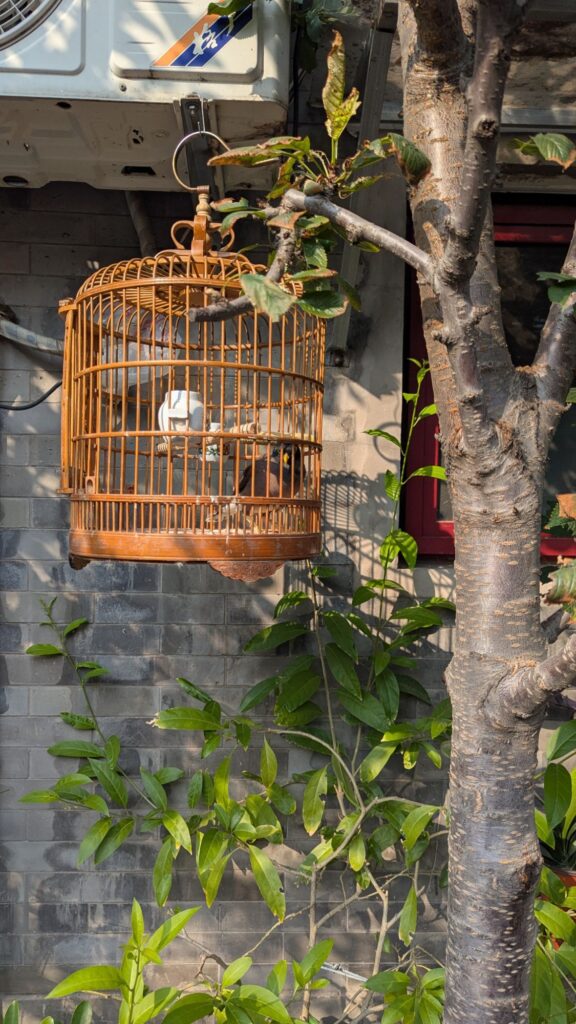
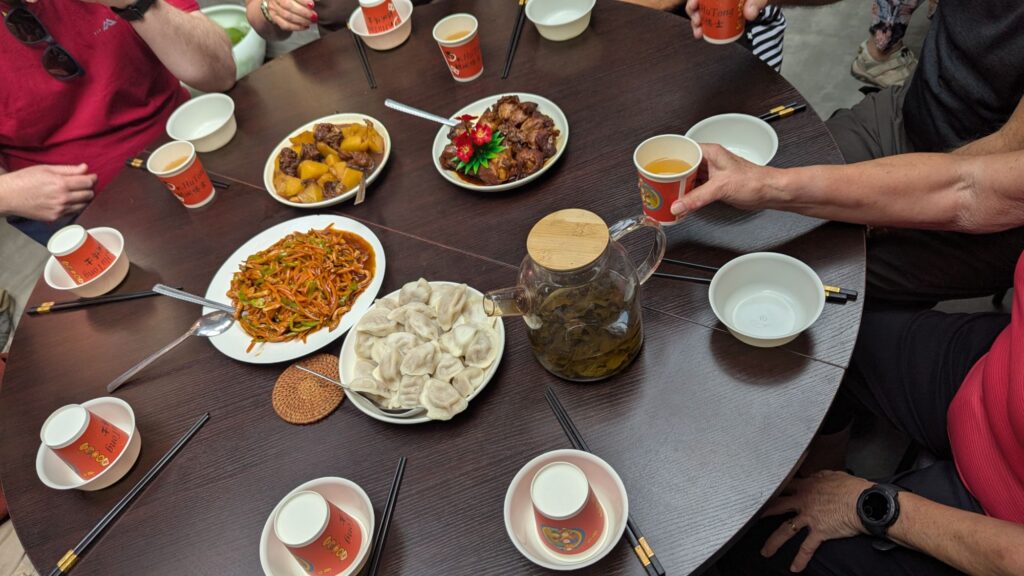
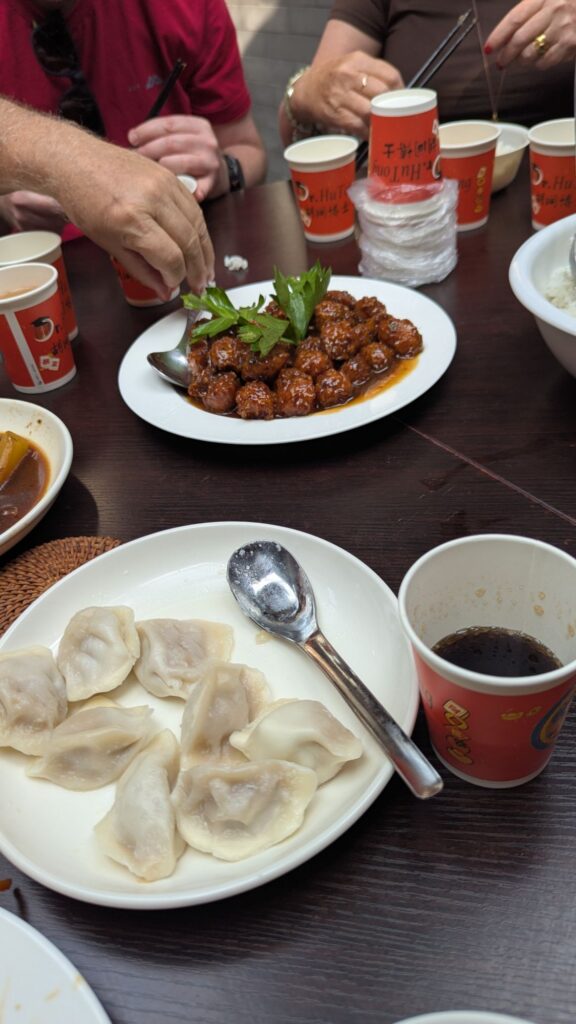
The owner of the house, Madam Wu, showed us around where she lived and cooked a very nice meal for us consisting of many meat and vegetable dishes, dumplings, meatballs, and a very tasty egg and tomato dish. By this point we were flagging since it had been a long day, and now full of food, we headed back to the hotel for a nap.
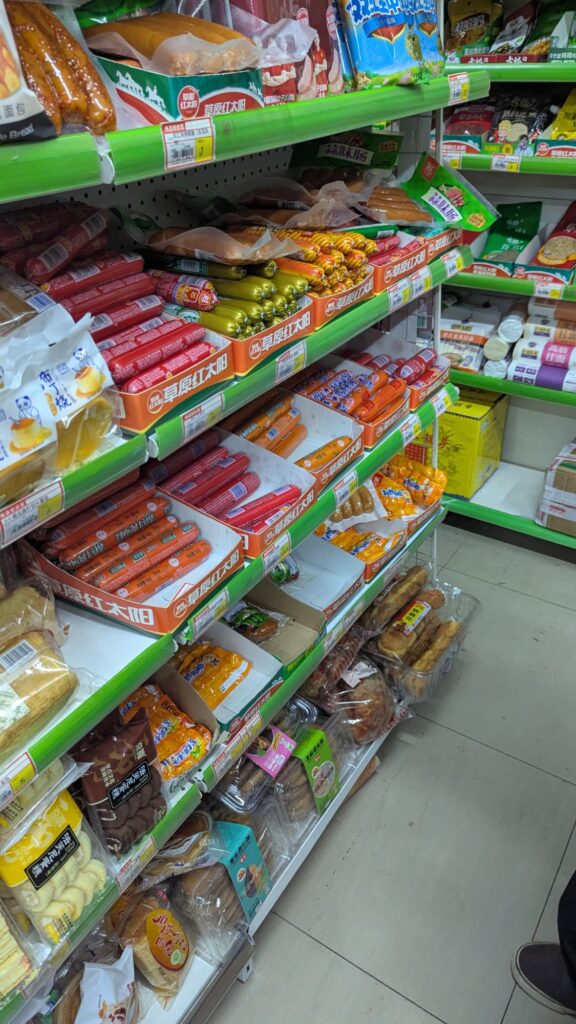
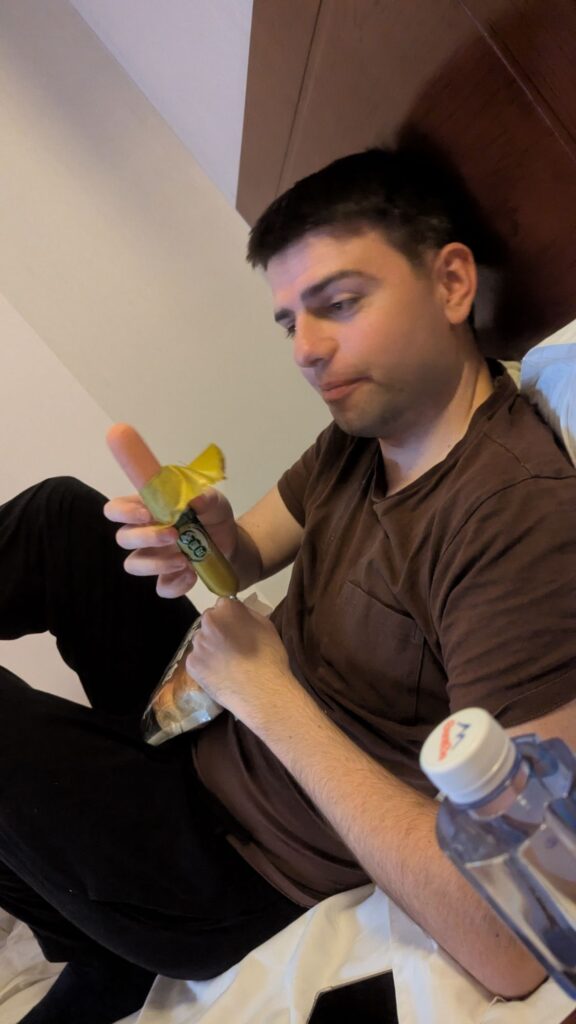
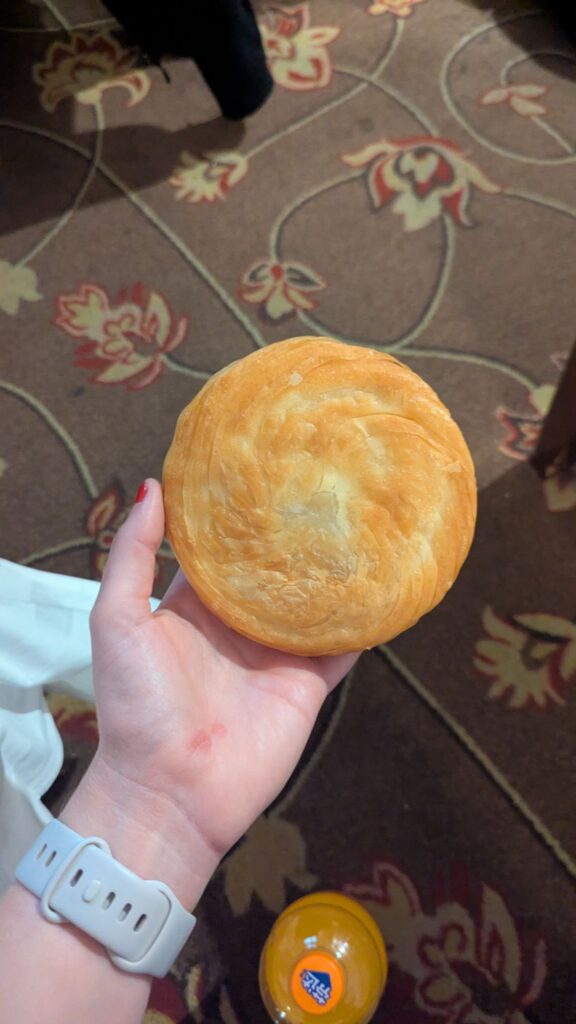
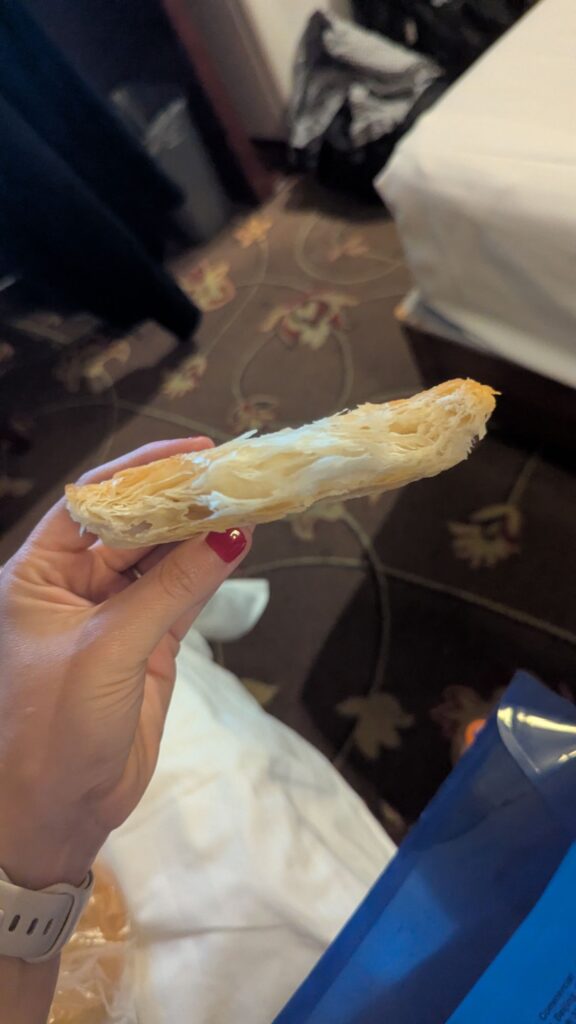
In the evening, we headed out to grab some water and snacks, including an intriguing sausage that caught Adam’s eye. It turned out to be a slightly sweet, spiced, spam-style pork affair. We also decided to try our luck again with the vendor who sold us the morning wraps. Pointing at something mystery-shaped, we ordered and hoped for the best. It ended up being a fairly plain, crispy pasty-bread hybrid, but it was still fun to try. Plus, for thirty pence, you can hardly complain about the cost of a tasty gamble.
Tomorrow we will be going to see the great wall and I should probably be going to bed now I’ve finished writing this as it’s another early start!
Tell you all about it soon, love Alice x